15 Costly Mistakes to Avoid When Adding Hidden Storage to a Small Apartment Bedroom

Introduction: The Hidden Storage Trap in Small Bedrooms
Living in a compact room often feels like an ongoing negotiation with clutter, where a single misplaced throw blanket disrupts the entire layout. Concealed compartments promise a practical answer for small bedroom storage, yet rushing into poorly planned solutions can easily waste precious square footage and create daily friction.
With thoughtful apartment decorating ideas and strategic planning, you can bypass these fifteen frequent pitfalls. A beautifully organized retreat requires matching physical room dimensions with the exact volume of your belongings.
Mistakes in Planning and Measuring Space
Every functional interior begins with a reliable tape measure and an honest assessment of physical boundaries. Without meticulous bedroom layout planning, even the most promising built-in units risk scraping against baseboards or blocking natural pathways across the floor.
Accurate small space measurement accounts for tight swing paths and low window sills before you purchase a single storage piece. Establishing these foundational dimensions early ensures every square inch supports your daily routine.
1. Ignoring the Clearance Needed for Pull-Out Drawers
Concealed base compartments seem like a natural solution for extra bedding, yet they quickly become useless when blocked by a bedside table or an adjacent wall. Standard under bed drawers need several feet of open pathway to pull out fully, a luxury that tight sleeping quarters rarely provide.
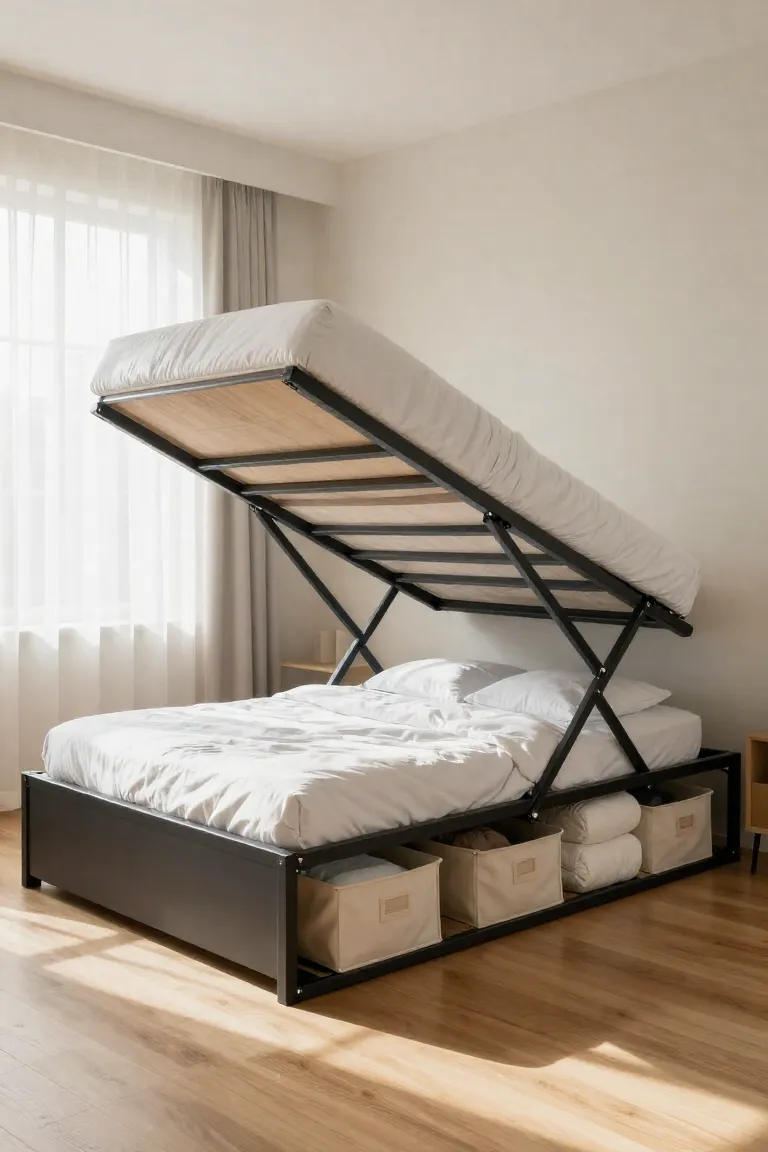
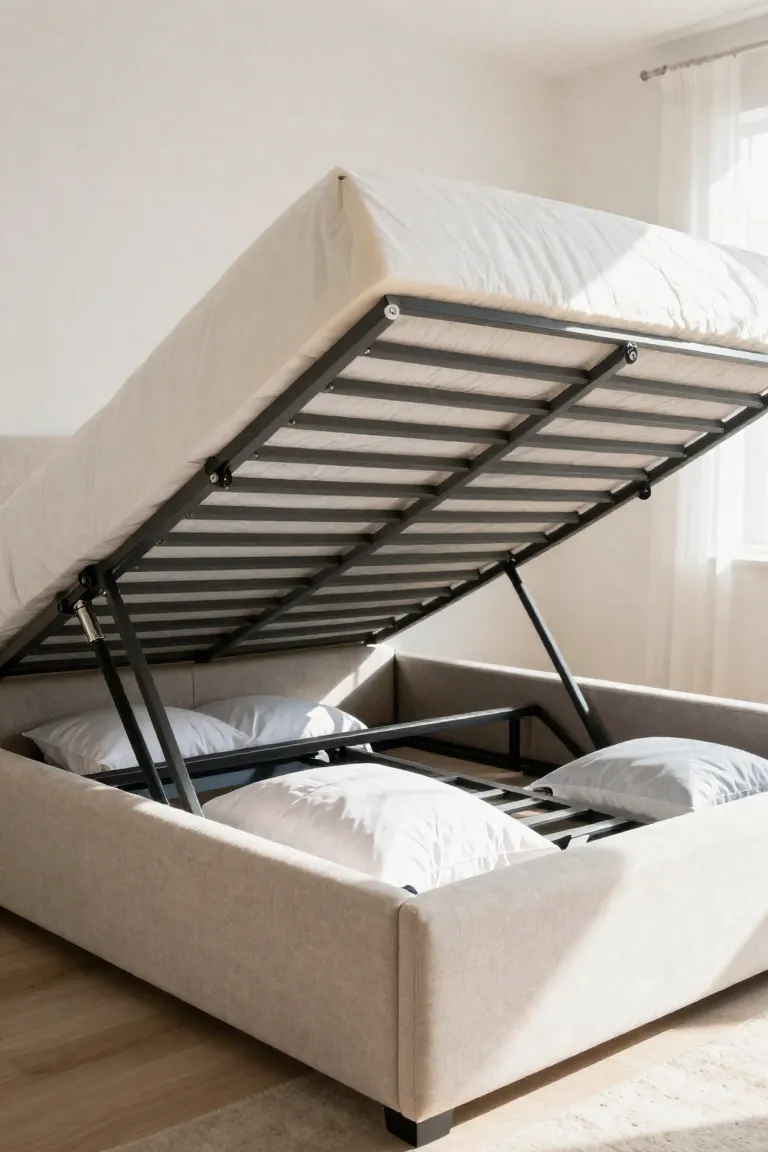
In tight quarters where bedroom clearance is virtually nonexistent, gas-lift frames or smooth sliding panels offer a far more dependable alternative. These upward-opening designs let you access seasonal items quickly without dragging your nightstand across the floor.
2. Forgetting the Weight Limit on Gas-Lift Beds
While upward-lifting platforms eliminate clearance headaches, pairing them with an overly plush 14-inch hybrid mattress creates an entirely new obstacle. Dense pocket coils and cooling gels easily overpower the gas lift bed mechanism, turning daily access into a stubborn two-person struggle.
- Check the combined Newton rating of the hydraulic pistons before buying your mattress to guarantee smooth one-handed lifting.
- Consider a lighter latex or all-foam core if you rely on an ottoman storage bed for weekly linen rotation.
- Look for reinforced metal sub-frames with built-in safety lock bars to keep the platform securely open while you organize.
3. Failing to Utilize Vertical Wall Space
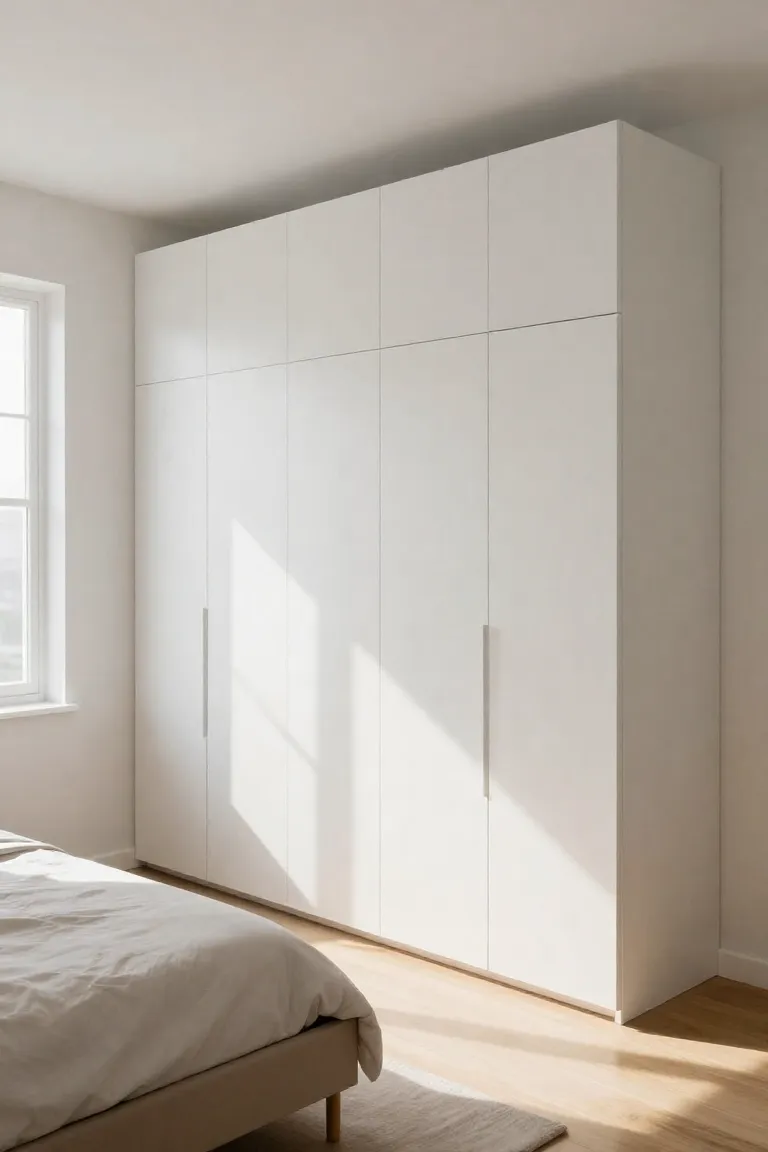
Most bedroom layouts stop short at standard eye level, leaving that crucial foot or two below the ceiling completely dormant. When you rely solely on low dressers and under-bed boxes, you choke usable walking routes while ignoring the prime real estate right above your head. Installing a tailored floor to ceiling wardrobe immediately draws the eye upward, giving your sleeping quarters a cohesive, streamlined look while reclaiming dozens of cubic feet for luggage and winter comforters.
Above the bedroom door frame, shallow floating ledges offer another clever pocket of vertical storage that feels virtually invisible from the bed. Floating shelves crafted in the same warm tones as your trim blend into the drywall, creating a discrete home for hat boxes and off-season bedding without crowding your personal footprint.
4. Misjudging the Depth of Hidden Compartments
Standard furniture depths rarely match what you actually need to stow away, leading to clutter chaos on both ends of the spectrum. A cavernous 30-inch cavity swallows extra blankets and sweaters into forgotten back corners, whereas narrow cubbies under eight inches leave folded denim and leather boots awkwardly spilling out into the aisle. Choosing an intentional storage compartment depth ensures every hidden niche works in your favor. Aim for 12 to 14 inches for footwear and daily sweaters, while saving deeper pull-outs strictly for bulky duvets. When commissioning custom carpentry, dial in your custom drawer size around rigid storage containers you already own so every insert slides into place with clean precision.

Furniture and Equipment Blunders
After mapping out exact clearances and drawer depths, the next hurdle is picking the actual hardware and silhouettes for your layout. Many popular bedroom furniture ideas look remarkably clever on showroom floors or catalog spreads, yet they end up suffocating small footprints the second you assemble them at home. Marketing labels often promise maximum utility, but heavy storage furniture can swallow valuable square footage and choke the natural walking paths around your sleep zone.
Solid wood sideboards and boxy ottomans often trap light, making cozy rooms feel like cramped utility closets. Instead of buying pieces based purely on the number of compartments they offer, weigh their physical footprint against the airiness of your room. Striking this balance ensures every discreet compartment supports your daily routine without creating an overwhelming maze of dark panels.
5. Choosing Bulky Storage Pieces Over Sleek Alternatives
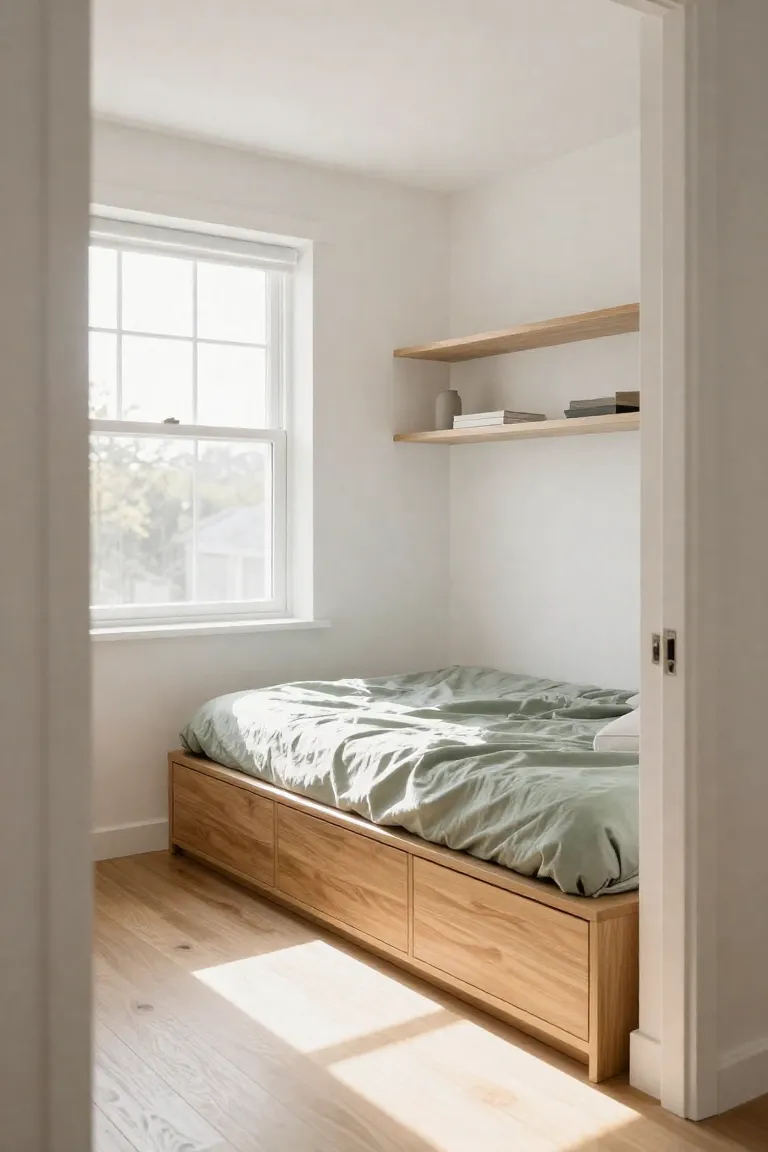
Bringing a solid, blocky bed frame with thick baseboards into a compact bedroom quickly drags the eye downward and shrinks the visual horizon of the room. When you anchor a tight room with dense, floor-bound silhouettes, natural daylight gets trapped against dark timber panels, leaving the space feeling cavernous and closed off. Investing in a sleek storage bed with tapered legs or an integrated plinth base lifts the visual weight off the floorboards, allowing perimeter flooring to stay visible beneath your mattress. You can extend this breezy illusion across your walls by mounting a minimalist floating nightstand that hides daily bedtime essentials inside a soft-close drawer while keeping the baseboards completely bare. Crisp finishes like blonde oak or warm painted linen reflect morning light across the room, preserving your bedroom's calm cadence while tucking away off-season linens right beneath your pillows.

6. Using Incompatible Bins Under a Standard Bed
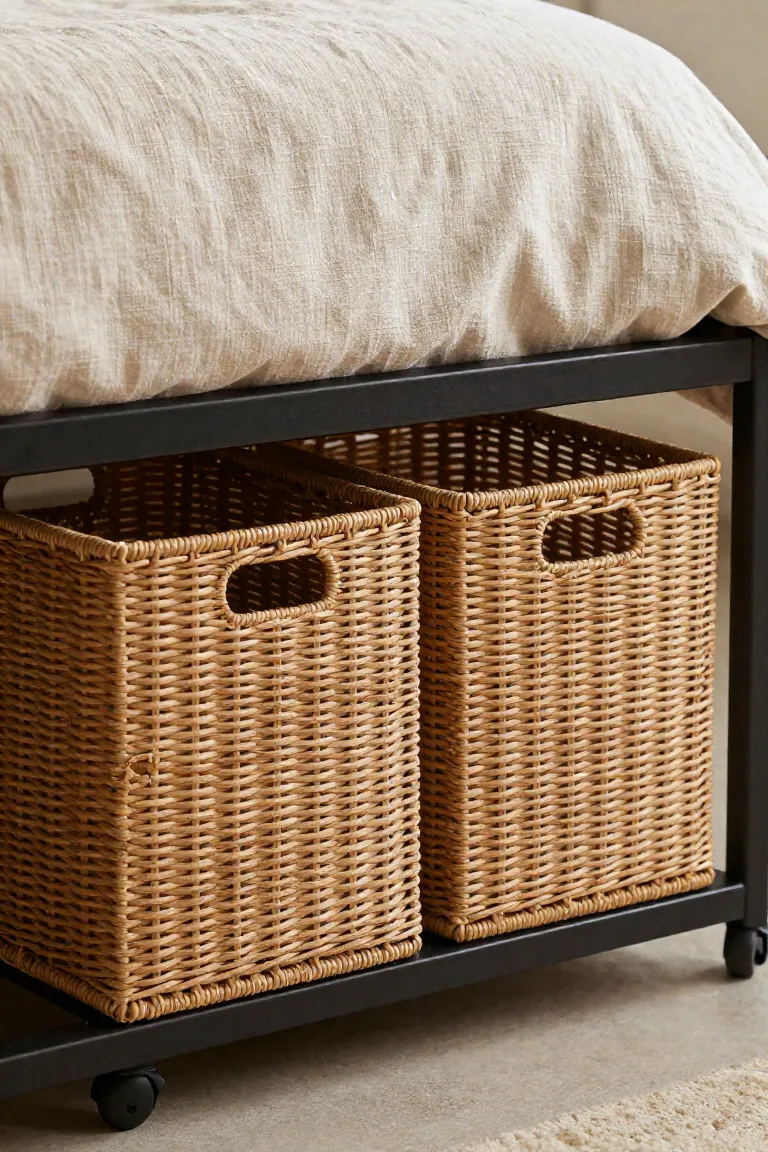
Shoving random delivery boxes or neon plastic tubs beneath an open frame is a quick path to chaotic visual noise, especially when low angles reveal every dust-gathering corner to anyone entering the room. Without a tailored bedskirt or coordinated containers, open gaps underneath your mattress become an uncurated dumping ground that ruins an otherwise serene aesthetic. Upgrading to intentional containment instantly transforms this dead zone into clean, functional utility:
- Equip your setup with low-profile rolling storage drawers crafted from birch plywood or powder-coated metal that slide out smoothly on carpet or hardwood.
- Select matching structured linen or felt under bed bins featuring tailored zip-top dust covers to keep seasonal woolens fresh and completely invisible.
- Maintain uniform container depths along the side rails to keep your underbed perimeter looking crisp and clutter-free.
7. Overlooking the Storage Potential of a Headboard
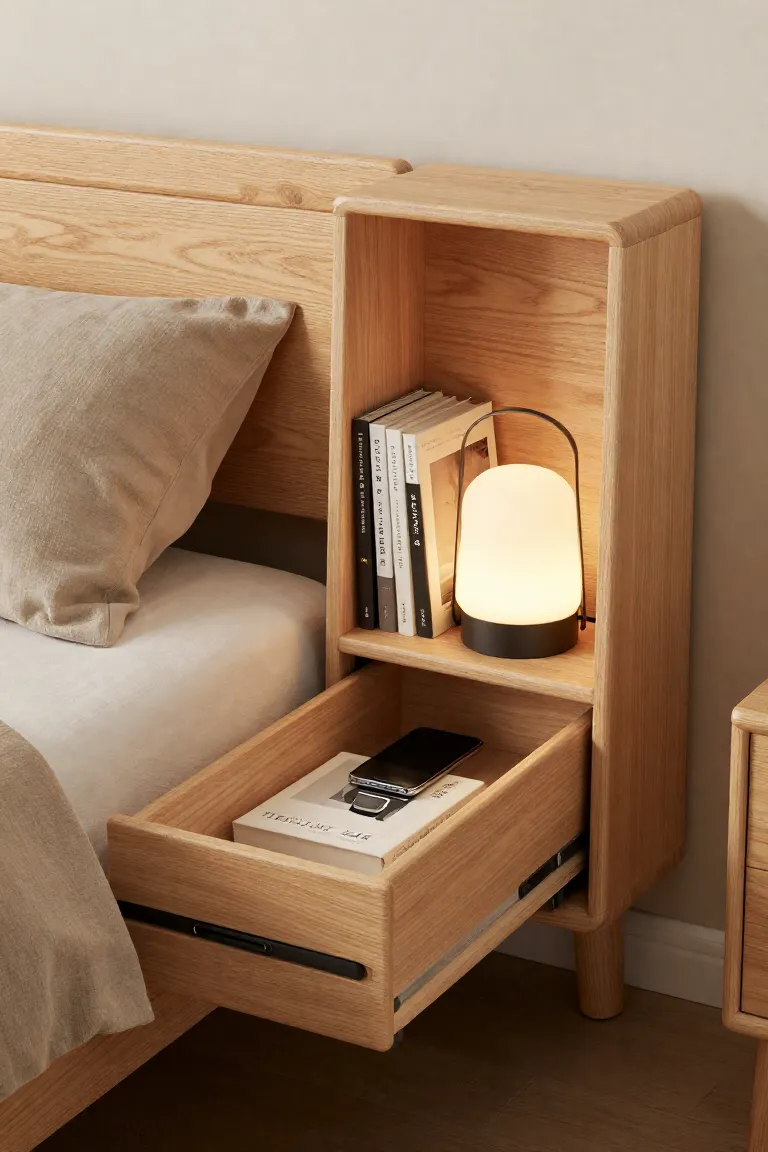
Shifting focus up from the floor, that vertical footprint directly behind your pillows represents some of the most underutilized real estate in the entire bedroom. Standard flat panels look neat, yet installing a functional storage headboard instantly reclaims six to ten inches of dead space without encroaching on walking pathways. These smart vertical designs create dedicated zones for bedtime paperbacks and reading glasses right where your hands naturally reach.
Built-in side pull-outs or a concealed hidden shelf along the top edge keep messy charging cables and daily essentials shielded from view. A slender oak or upholstered unit with shallow drop-down doors ensures your sleep backdrop stays visually serene while quietly doubling your bedside capacity.
8. Neglecting Multi-Purpose Seating
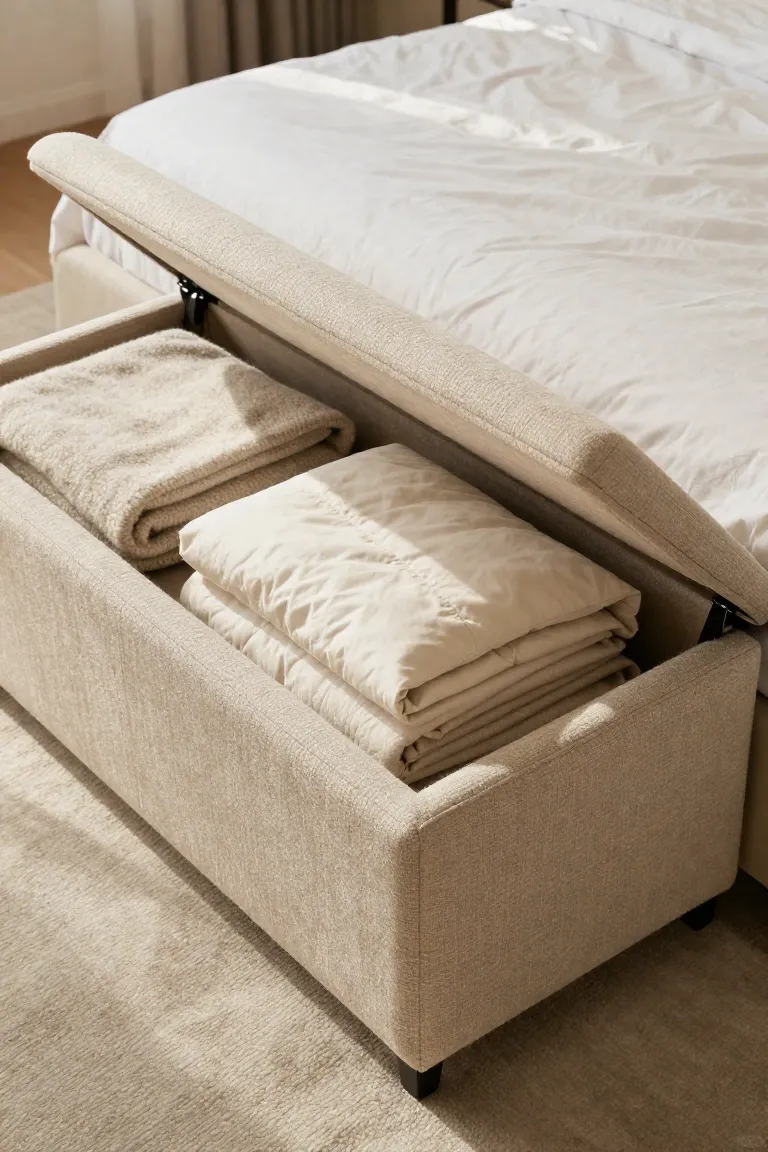
Placing an accent chair or standard wooden stool at the foot of the bed often wastes precious square footage on a single decorative function. Swapping that dead-weight furniture for a tailored bedroom bench with storage delivers a comfortable spot to lace up shoes while swallowing bulky winter duvets in one sleek move.
A deep-tufted or boucle storage ottoman with a smooth hinged lid protects spare linens and heavy knits from gathering dust. The clean horizontal profile anchors your bedding arrangement and provides substantial capacity right where you need it most.
Organization and Accessibility Fails
Tucking items behind closed panels solves the visual clutter, but thoughtful bedroom organization hinges on how easily you can grab those pieces on a rushed weekday morning. Deep compartments quickly morph into chaotic black holes without an intentional layout, undermining everyday closet accessibility and turning simple wardrobe routines into frustrating excavation projects.
- Assign primary compartments exclusively to items in your weekly rotation, saving awkward high ledges or deep underbed corners for seasonal swaps.
- Group small personal accessories into labeled fabric bins or divided drawer trays to stop items from tumbling into disorganized piles.
- Maintain clear sightlines inside each compartment so you never have to move three separate layers just to reach a single sweater.
9. Storing Daily Items in Hard-to-Reach Places
Tucking your go-to morning essentials into the deepest recess of an ottoman or beneath a heavy hydraulic mattress creates immediate friction before your day even starts. A functional daily storage organization plan relies on intuitive ergonomics rather than simply hiding items out of sight. Dividing your room into clear bedroom storage zones according to frequency of use keeps clutter from spilling across flat surfaces. Keep your daily rotation, such as current-season footwear and everyday work bags, in shallow eye-level cubbies or easy-pull front drawers. Reserve those cavernous under-bed cavities and high closet perches strictly for dead-season knitwear and spare duvets. When essential items require zero physical gymnastics to retrieve, maintaining a serene bedroom becomes second nature.

10. Forgetting About Air Circulation and Moisture
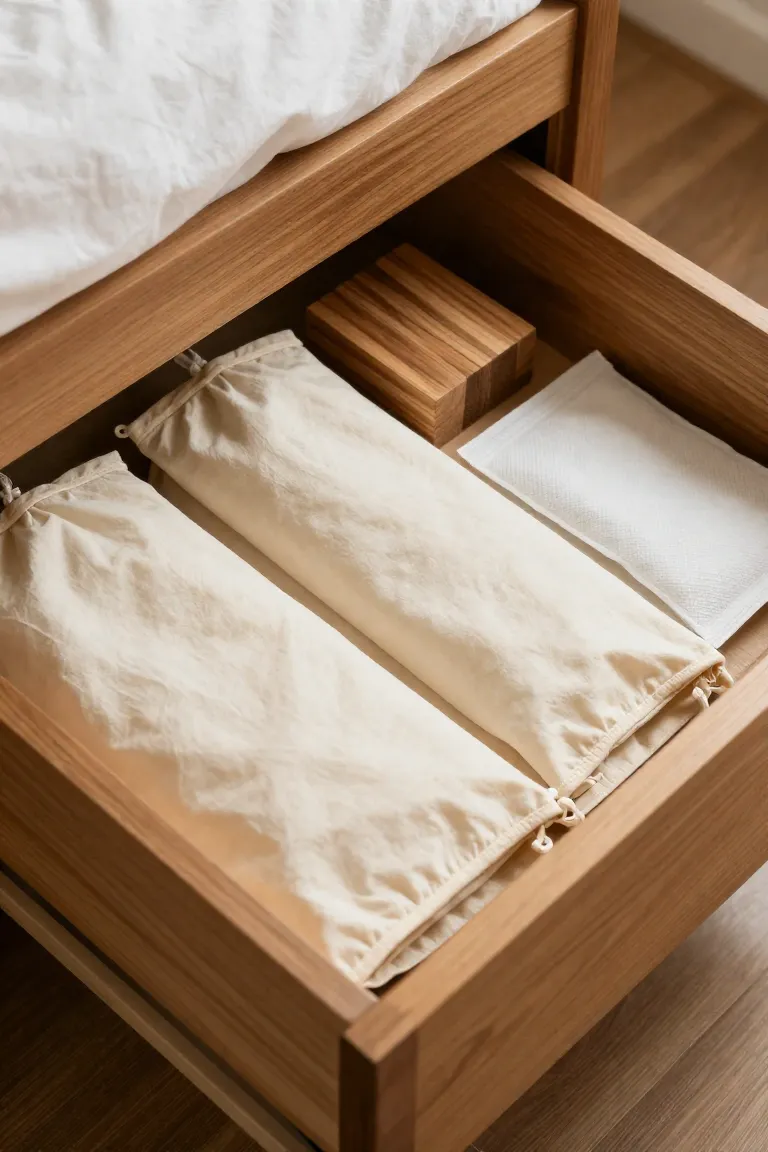
Sealing folded textiles inside an airtight platform base or tightly packed storage bench traps stagnant moisture, creating an ideal breeding ground for unpleasant, musty odors. Without adequate storage ventilation, natural fibers like wool and cotton suffocate against plywood frames and trapped household humidity. When you pack away off-season garments, swap non-porous plastic vacuum totes for breathable fabric bags made from unbleached cotton or linen canvas. These woven covers let fresh air circulate while blocking settling dust and pest intrusion. Tucking a few rechargeable silica gel packets or cedar wood blocks into the darkest corners goes a long way toward protecting clothes from mold throughout muggy summer months. A dry, fresh environment ensures your favorite garments emerge smelling just as clean as the day you washed them.
11. Not Using Internal Organizers Inside Hidden Spaces
Concealing clutter behind a lift-up frame or beneath a deep window bench solves visual chaos on the surface, but an undivided compartment quickly turns into an inaccessible void. Tossing loose linens and spare blankets directly into wide open bases guarantees that smaller essentials get swallowed beneath heavier layers. Without intentional internal storage organization, you end up lifting heavy mattress boards repeatedly just to hunt down one specific item, frustrating the utility of the compartment.
Structured modular inserts and adjustable drawer dividers create distinct micro-compartments that keep folded stacks upright and clearly visible. Canvas bins with clear label windows or slim spring-tension rods help section off awkward lengths for shoes and soft duvets. When every category claims its own defined zone, your hidden cavities remain neat and easy to maintain over time.

12. Overlooking the Space Behind the Door
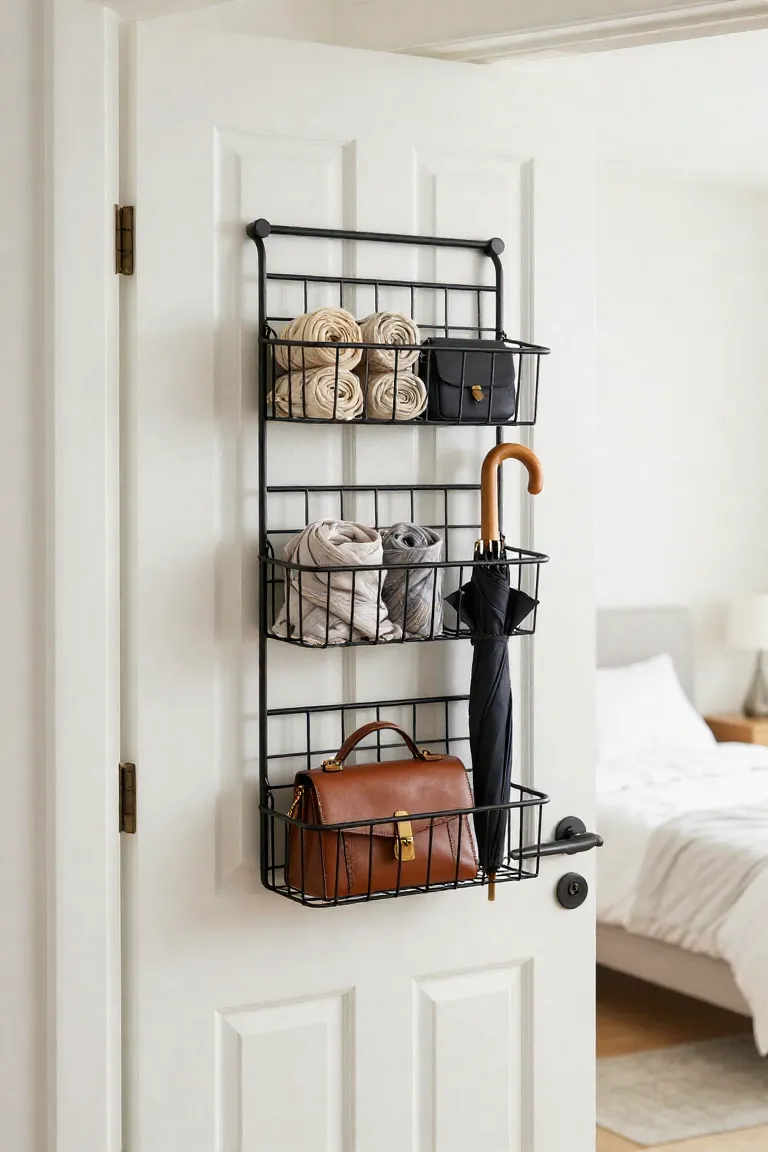
That narrow clearance zone swinging open against your wall often conceals several square feet of untapped vertical capacity. Leaving this surface bare is an easy oversight, especially when thoughtful behind door storage keeps daily accessories or lightweight footwear tucked neatly out of central sightlines. Small architectural adjustments here unlock valuable functional depth without encroaching on floor traffic.
- Mount a slim canvas over the door organizer to catch rolled scarves and charging cables that usually clutter your nightstand.
- Affix staggered brass or matte black wall pegs along solid-core door frames to support robes and unstructured tote bags cleanly.
- Add ultra-narrow tiered spice racks or wire baskets to closet door interiors for essential oils and daily jewelry trays.
Aesthetic and Final Execution Mistakes
Tucking clutter out of view solves only half the puzzle if the pieces you introduce disrupt the calm visual rhythm of your sleeping quarters. Too often, apartment dwellers turn their bedrooms into chaotic utility closets by cramming mismatched bins and awkward cabinetry into every available corner. Thoughtful aesthetic bedroom storage should quietly complement your room's color palette and natural light paths rather than compete with them. When mapping out a successful hidden storage design, focus on clean face frames and concealed hardware that soften rigid architectural lines. Selecting tone-on-tone finishes and maintaining unbroken sightlines ensures your organization strategy preserves a restful retreat instead of building visual noise.
13. Sacrificing Aesthetics for Pure Functionality
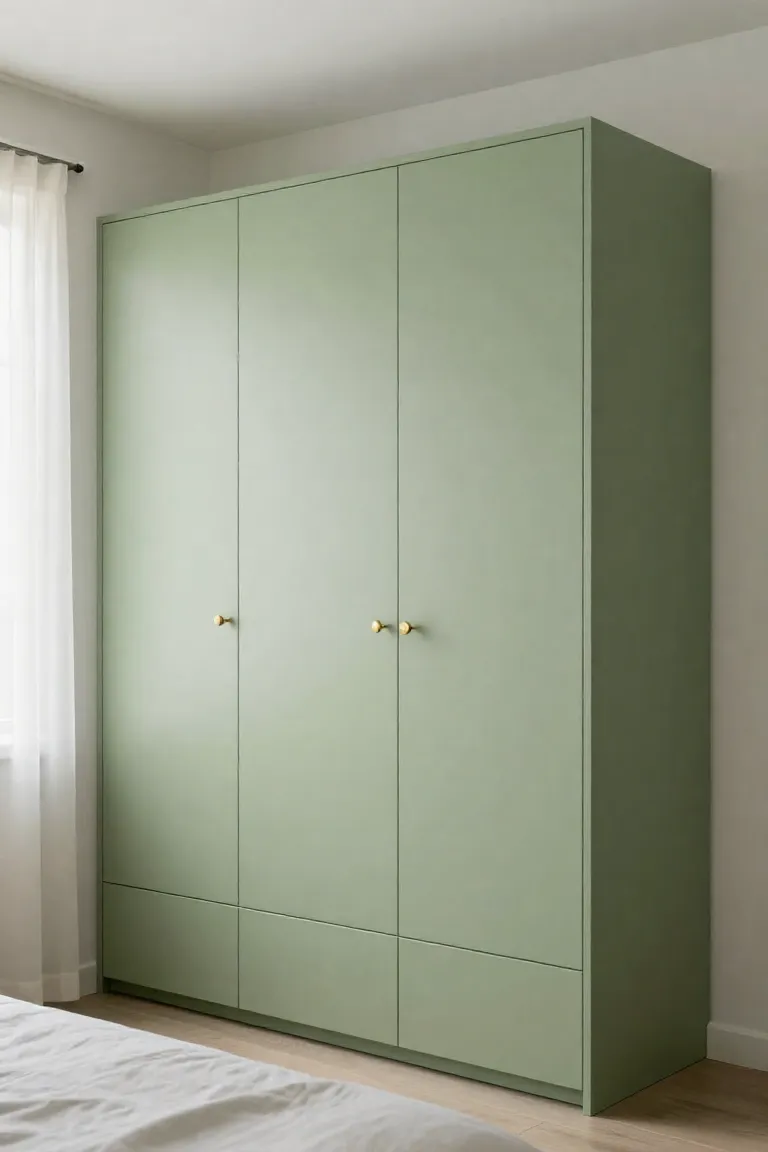
High storage capacity means very little if the bulky, utilitarian cabinet dominating your corner looks like an office filing unit. Investing in harsh metal shelving or stark wire towers might hold extra boxes, but it quickly drains warmth from your personal space and shrinks the perceived dimensions of the room. A far more refined trick involves painting built ins in the precise eggshell or matte shade of your perimeter walls, which instantly coaxes heavy vertical casework to melt into the background. Pairing this clever camouflage with push-latch doors and recessed toe-kicks delivers seamless bedroom storage that fulfills your organizational needs while preserving an airy, uncluttered design language.
14. Forgetting Cord Management Near Storage Zones
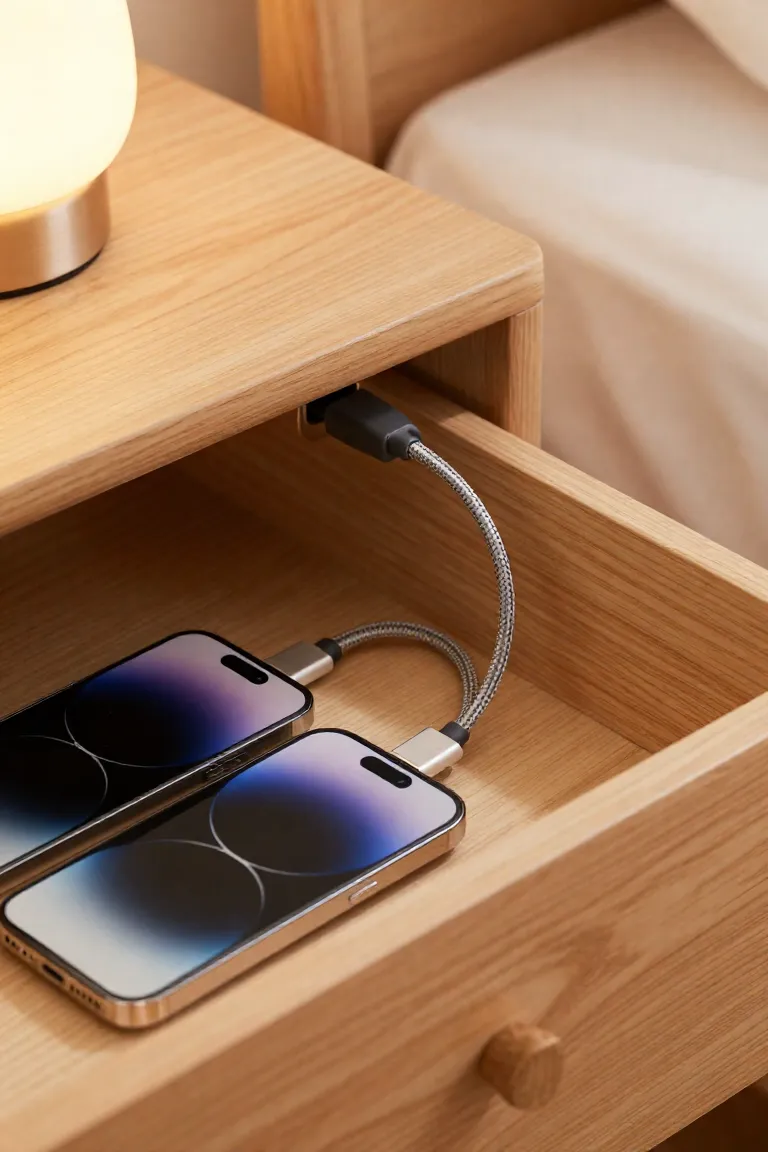
Even the cleanest millwork looks cluttered the moment tangled phone chargers and bedside lamp wires snake across your floorboards. Shifting deep storage frames directly against drywall frequently traps primary electrical outlets, forcing awkward extension leads across walking paths. Thoughtful bedroom cable management solves this visual disruption before heavy furniture settles into place. Incorporate discreet pass-through grommets into back panels or run low-profile conduits along baseboard perimeters to direct wiring into concealed channels. When planning smart techniques for hiding cords bedroom layouts require, mount low-profile power strips directly inside headboard compartments or interior drawer boxes. This hidden integration preserves an uncluttered visual line and guarantees quick nightly device charging without wrestling with wall clearance.
15. Not Planning for Future Life Changes
Custom carpentry tailored to your exact shoe count or current winter wardrobe feels rewarding initially, but hyper-specific millwork often becomes obsolete when your lifestyle evolves. Building rigid, immovable compartments locks your floor plan into place, creating frustrating spatial headaches if you swap wardrobe seasons or welcome a partner. Fixed woodwork rarely accommodates shifting storage routines and can turn into costly dead weight.
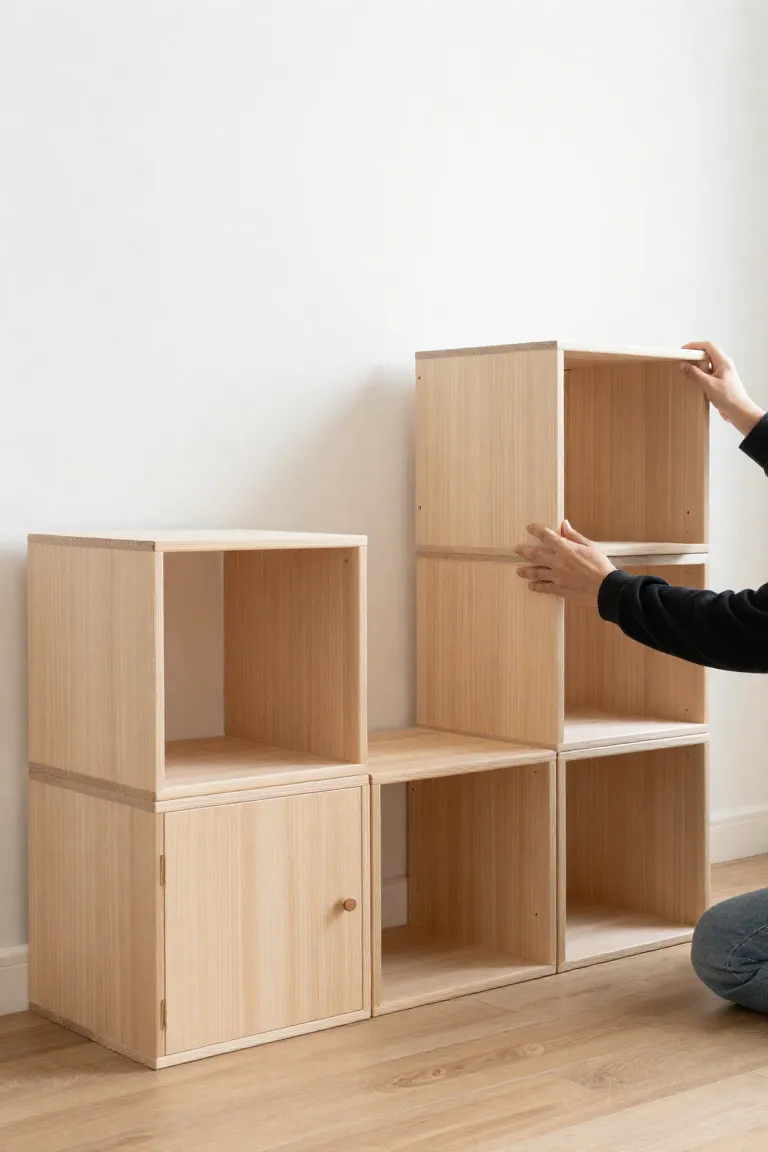
Flexible modular bedroom storage protects your layout against unexpected lifestyle transitions. Freestanding stackable cubes and interchangeable under-bed drawer systems let you reconfigure internal layouts whenever storage priorities shift. These versatile systems break down smoothly during moving days and reassemble to fit unfamiliar floor plans. Choosing versatile components ensures your investment continues serving your living space for years, regardless of where your housing journey leads next.
Conclusion: Master Your Small Space
Creating a calm, functional bedroom does not require tearing down walls or stuffing every available square inch with plastic bins. True spatial efficiency comes from intentional discipline. Select smart hidden systems that work quietly behind the scenes so your living zone stays restful. Taking back control of your room begins with mindful edits rather than massive renovations.
- Audit your current layout to pinpoint dead corners or clearance bottlenecks that compromise daily movement.
- Tackle a targeted small bedroom makeover this weekend by clearing under-bed clutter or testing a modular organizer.
- Select multi-functional accents that maximize apartment space while protecting your room's visual tranquility.