From Cluttered to Calming: A Step-by-Step Before and After Guide for Small Apartment Bedrooms
The Before: Recognizing Clutter and Cramped Spaces
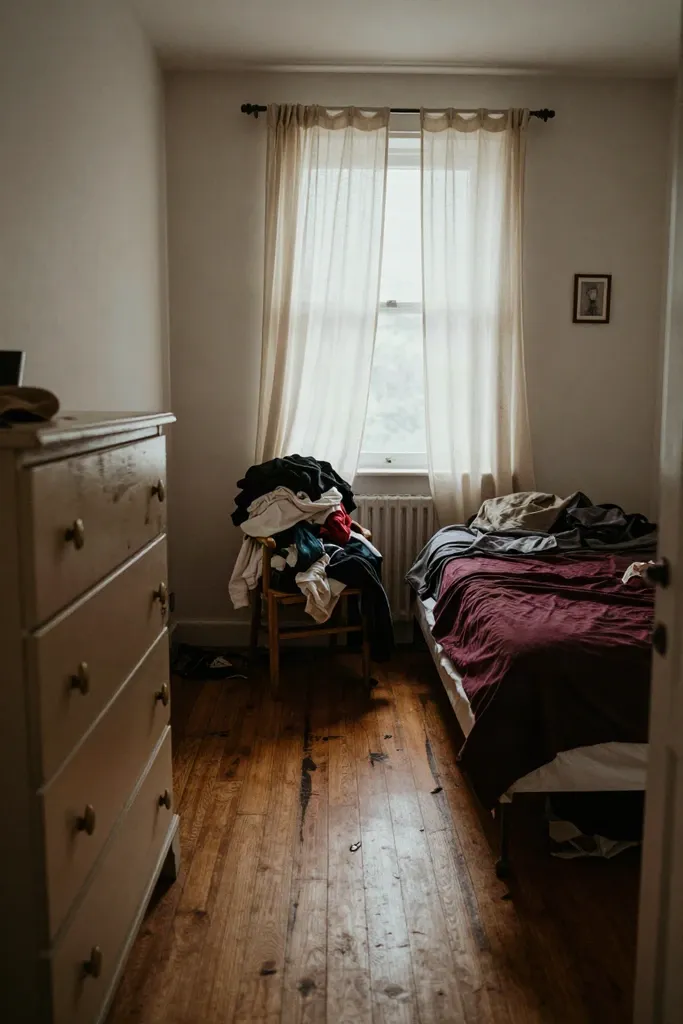
Waking up surrounded by piles of laundry and oversized dressers immediately drains your morning focus. When everyday essentials compete for every square inch of a cluttered bedroom, the room quickly feels restrictive rather than restful. Common small apartment challenges often stem from oversized dressers and poor overhead lighting that cast harsh shadows across tight corners.
In such a cramped space, clear walkways disappear under accidental drop zones for bags and shoes. The visual weight of dark corners and crowded pathways makes winding down at night surprisingly difficult when foot traffic is blocked by daily clutter.
Transformation 1: From Cluttered Floor to Smart Hidden Storage
Clearing your floor plan resets the room's visual boundary, allowing natural daylight to travel wall to wall without obstruction. Standalone dressers and bulky clothing racks often chew up precious walkway margins, creating artificial dead zones that crowd your sightlines. By swapping heavy pieces for streamlined space saving furniture and dedicated hidden bedroom storage, you reclaim continuous baseboard lines and physically expand your available walking area.
1. Utilizing Under-Bed Storage Solutions
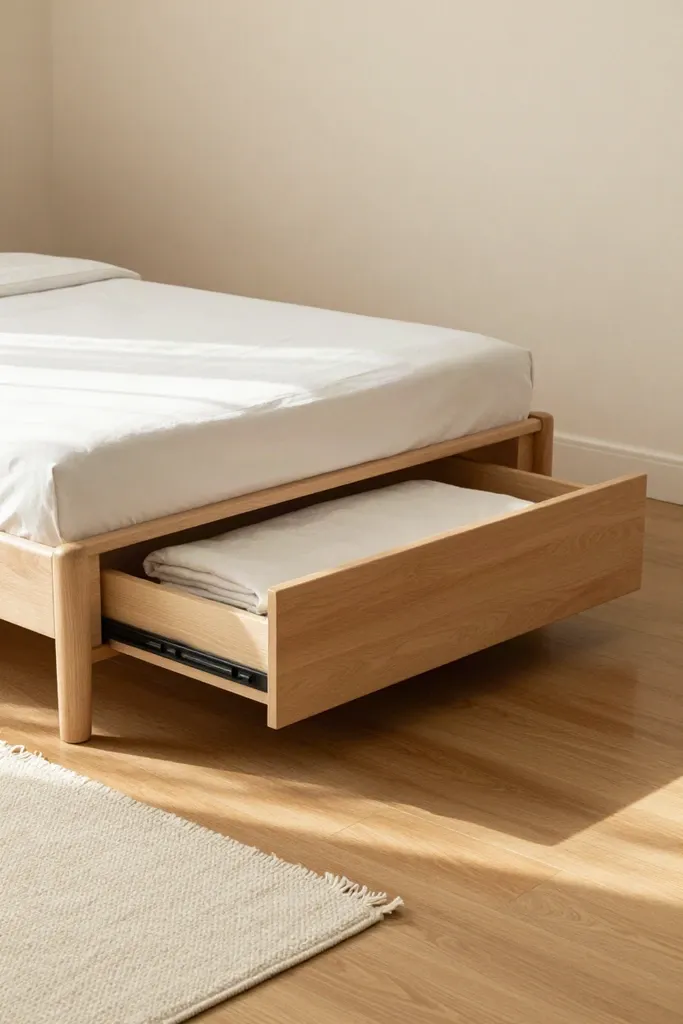
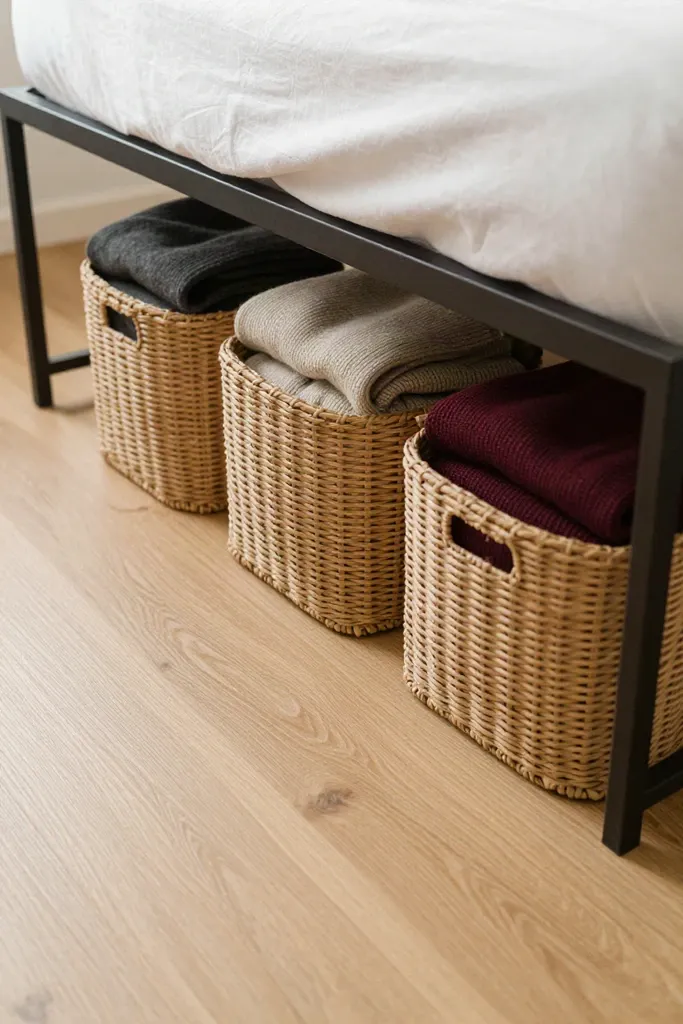
The hollow gap beneath your mattress offers several cubic feet of prime real estate that often goes entirely unnoticed. Low-profile wheeled bins and breathable fabric zipper bags glide smoothly under the perimeter, keeping winter duvets and off-season boots completely out of sight. This concealed placement is essential when organizing a small bedroom, as it prevents surface areas from collecting everyday spillover.
For the cleanest look, measure your bed frame clearance before buying containers to ensure a snug fit that stays hidden behind your bed skirt or duvet drop. Clear lidded trays let you inventory items at a glance while maintaining under bed storage that keeps your floor free of scattered belongings.
2. Installing Floating Shelves Over the Bed
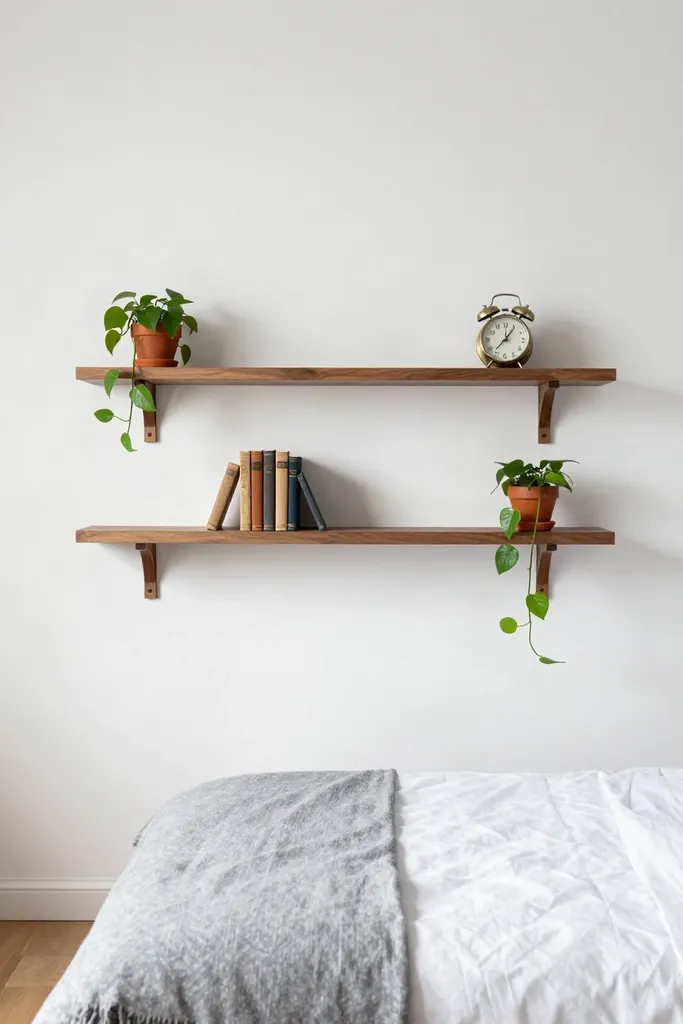
Shifting your focus upward uncovers square footage that standard floor layouts leave completely untouched. When a freestanding bookcase threatens to swallow valuable walking paths, sleek ledges mounted securely above your headboard provide a weightless platform for paperback favorites and trailing pothos vines. Installing sturdy floating wall shelves into wall studs keeps your floor perimeter clear while drawing the eye toward the ceiling, creating an immediate sense of architectural height without crowding your mattress.
Solid wooden ledges or low-profile metal brackets ensure these vertical storage ideas remain physically sound and visually balanced. For everyday safety, mount the bottom ledge at least twelve inches above your seated head height, reserving lightweight frames and small potted plants for the upper tiers. The open drywall beneath stays pristine, giving you a curated display zone that preserves your wall space above the pillows.
Transformation 2: From Dark and Heavy to Light and Airy
Physical floor room is only half the equation when murky paint tones and heavy drapes make a compact layout feel boxed in. Thoughtful strategies for brightening a small bedroom rely on catching available light and distributing it across the room to unlock expanded visual depth without knocking down walls.
- Oversized mirrors angled directly toward window frames to cast soft reflections across shadowy corners.
- Breathable, sheer linen drapery that diffuses harsh afternoon glare while keeping your space naturally illuminated.
- Subtle satin finishes on hardware and decorative accents that catch ambient light throughout the day.
1. Painting with Calming Warm Whites
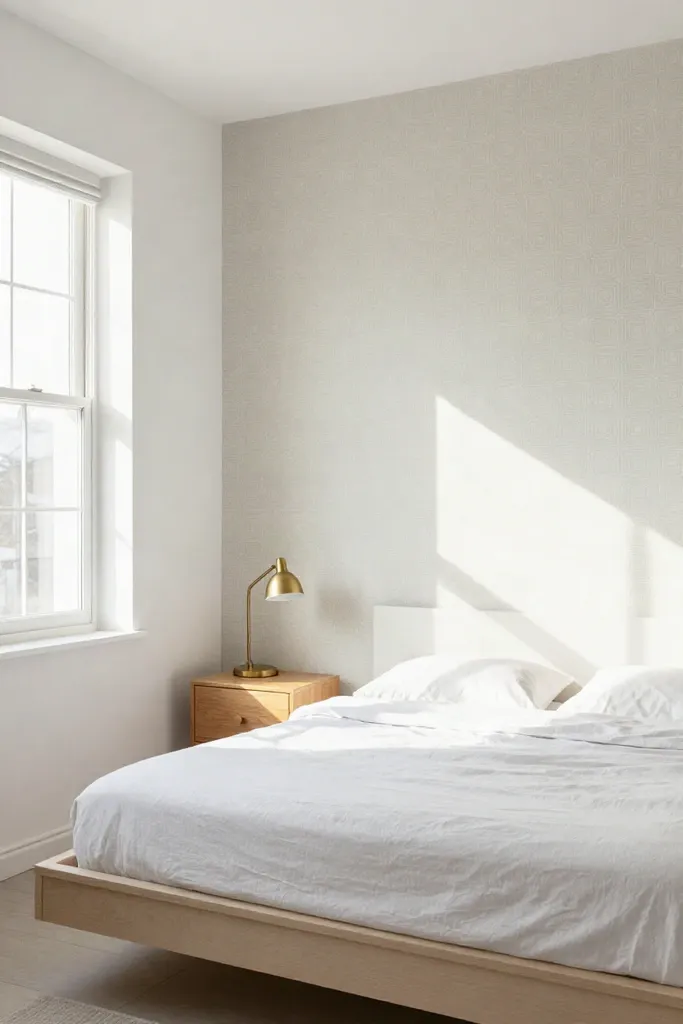
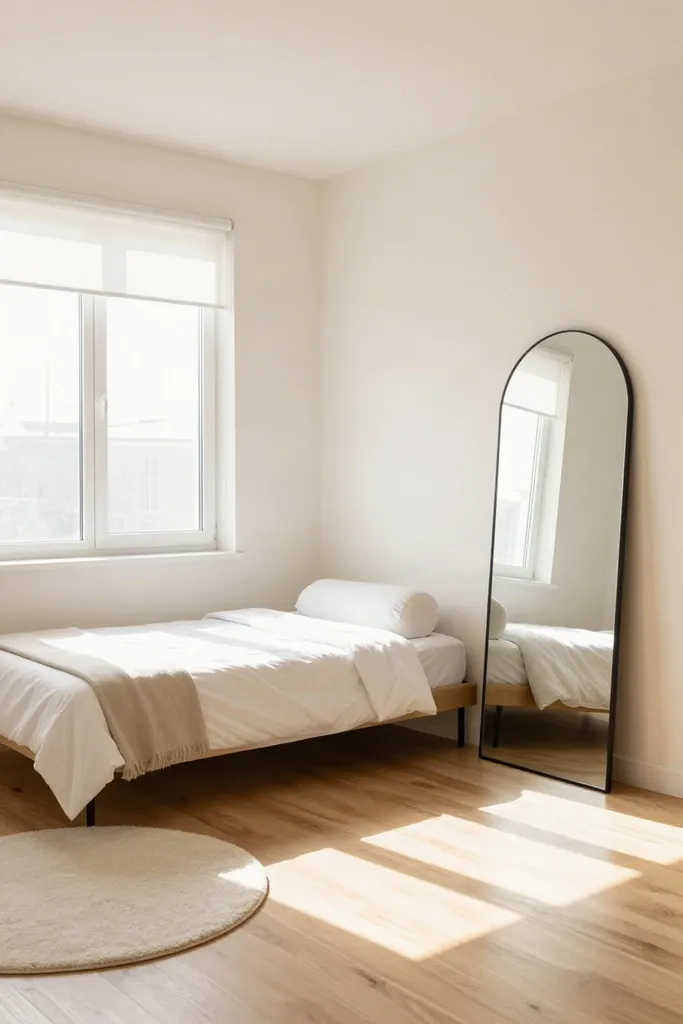
Moody navy walls or saturated charcoal hues might look dramatic in staged photos, but in close quarters, they absorb precious light and shrink sightlines. Swapping those heavy, daylight-stealing shades for warm white bedroom paint instantly opens the envelope of the room, reflecting available light back into the space.
- Creamy ivory undertones that prevent northern-facing rooms from skewing cold or clinical under overcast skies.
- Soft linen and parchment tones that pair smoothly with oak accents and quiet bedroom colors.
- Eggshell or velvet sheens that gently diffuse morning sunshine without throwing harsh glossy hotspots across your walls.

2. Strategic Mirror Placement for Depth
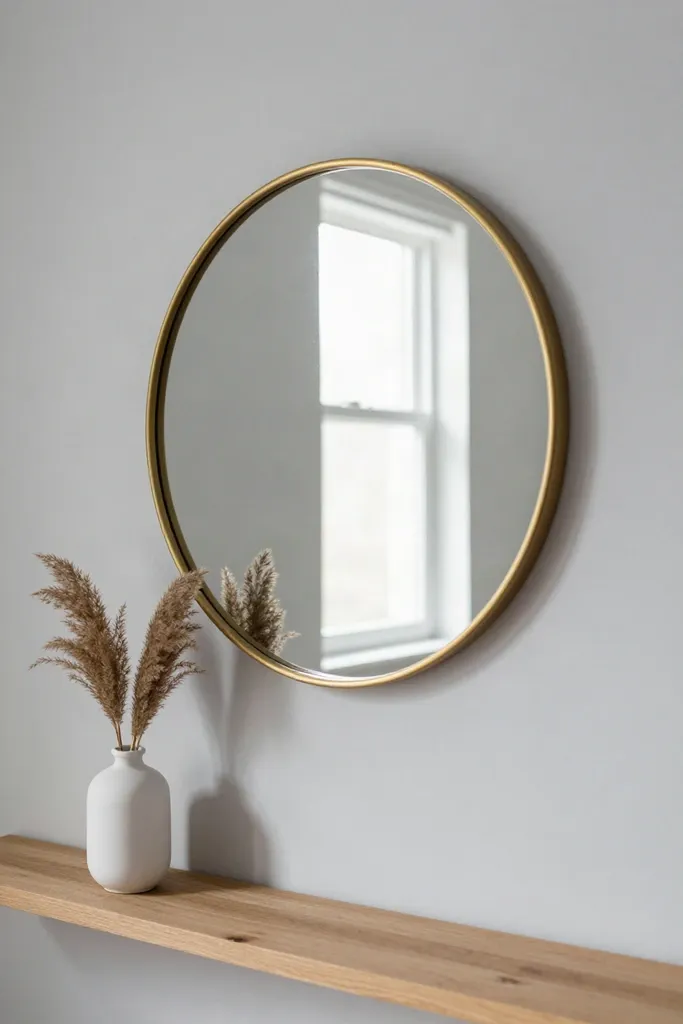
Once those freshly painted walls catch the morning light, positioning reflective glass can instantly double that airy perimeter. Angling tall floor models directly opposite an exterior window captures outdoor greenery and bounces daylight into shadowed corners, tricking the eye into seeing an adjoining room. When testing out bedroom mirror ideas, resist the urge to hang a wide frame directly over your headboard where it merely reflects an empty ceiling. Instead, flank your closet doors with slender, full-length silhouettes or mount an arched pane slightly adjacent to your dresser to catch diagonal sightlines. These curated mirrors for small spaces establish instant visual depth across tight walkways while multiplying whatever natural sunshine filters through your linen drapes.
Transformation 3: From Bulky Furniture to Streamlined Pieces
Oversized dressers and scrollwork bed frames quickly consume valuable square footage, creating physical bottlenecks that make even a well-lit layout feel claustrophobic. Heavy silhouettes anchor the eye to the floor, visually shrinking the room and trapping foot traffic along narrow pathways. Embracing a minimalist bedroom design helps clear these visual hurdles by trading dense cabinetry for pieces with open bases and crisp geometric profiles. Integrating streamlined bedroom furniture restores natural breathing room across your floor plan through a few deliberate updates:
- Slender metal or pale wood legs that lift casegoods several inches off the rug, letting light pass freely underneath.
- Recessed drawer pulls or push-latch hardware that eliminate protruding brass knobs along tight bedside passages.
- Low-slung credenzas that keep your sightlines clear below standard window sill heights instead of blocking natural wall space.
1. Swapping to a Minimalist Platform Bed
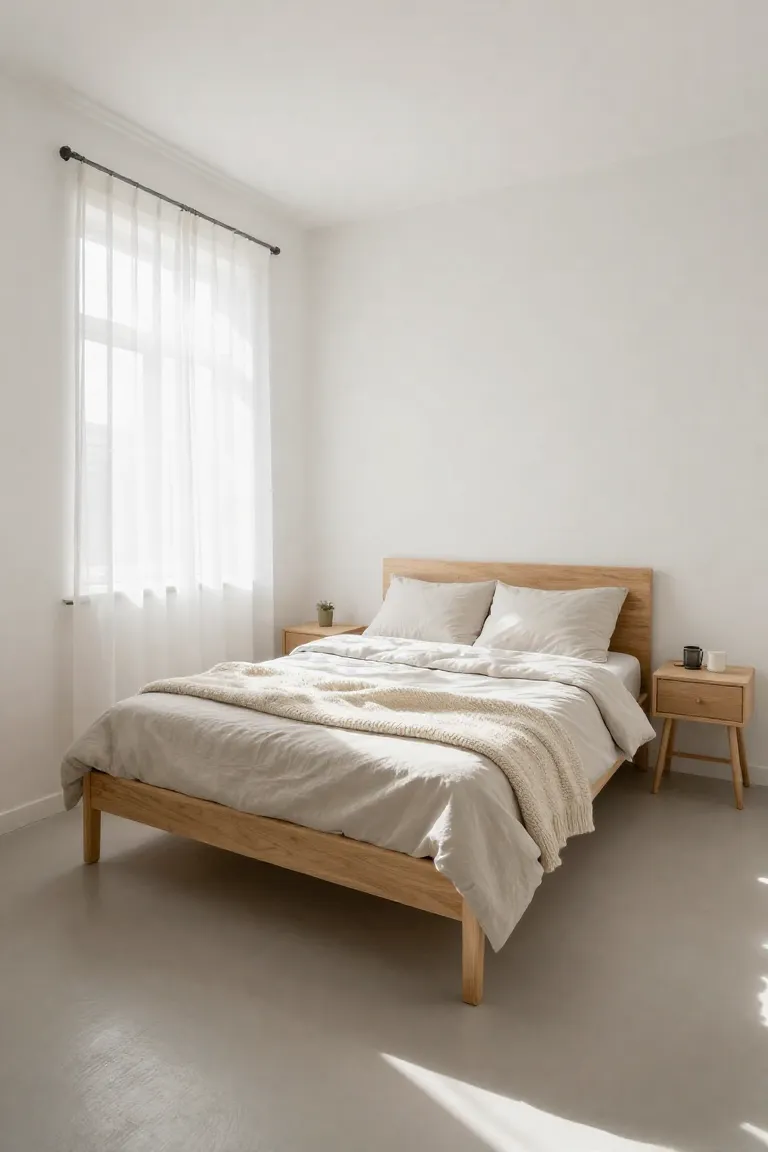
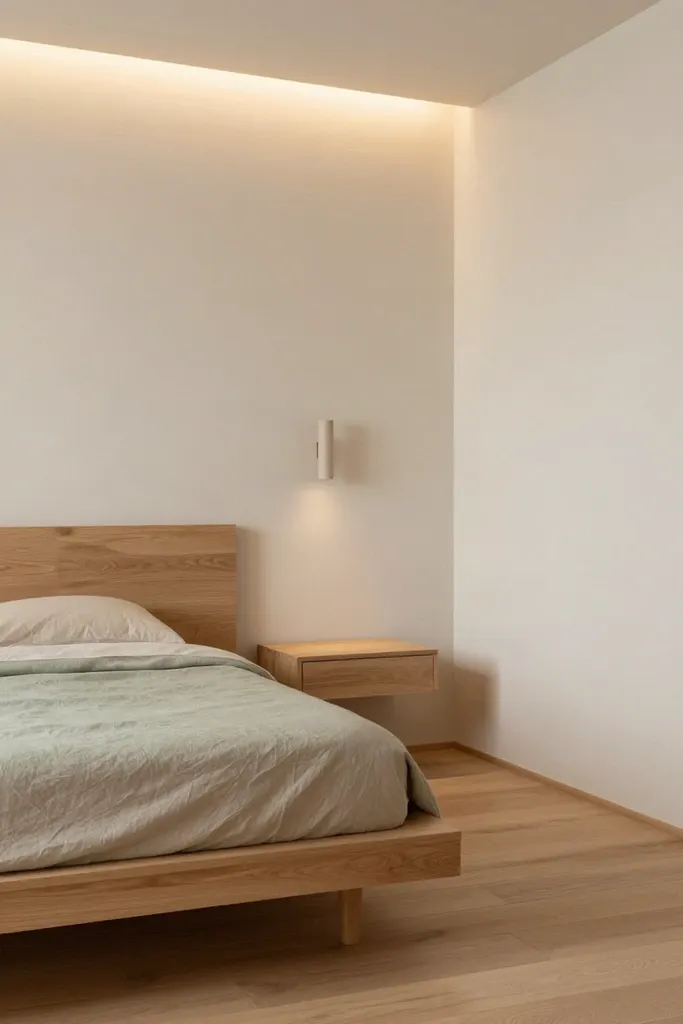
Traditional box springs and towering sleigh frames easily dominate compact quarters, visually chopping the room in half before you even step inside. Retiring ornate, solid footboards opens up your primary walking paths, allowing your eyes to glide uninterrupted from the entryway straight toward the opposite wall. Anchoring your sleep setup with a minimalist platform bed immediately lowers the central mass of the room, creating an open horizon that lets your walls appear several inches taller.
With a low profile bed frame, you eliminate the boxy visual weight of conventional box springs while maintaining sturdy structural support for your mattress. Slender tapered legs in blonde oak or matte black iron keep air circulating across the rug, giving the entire sleeping zone an uncluttered footprint. The absence of a thick, padded headboard also lets you push the frame flush against the wall, unlocking precious inches for smoother bedside movement.

2. Using Floating Nightstands
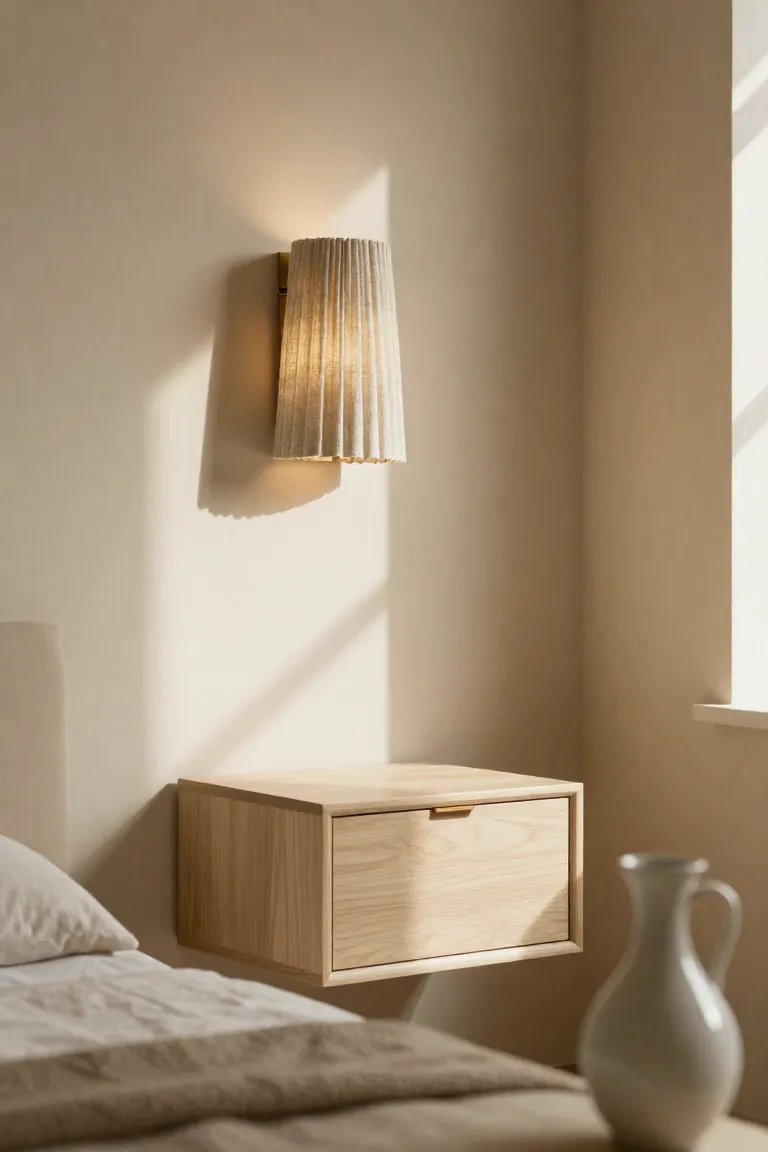
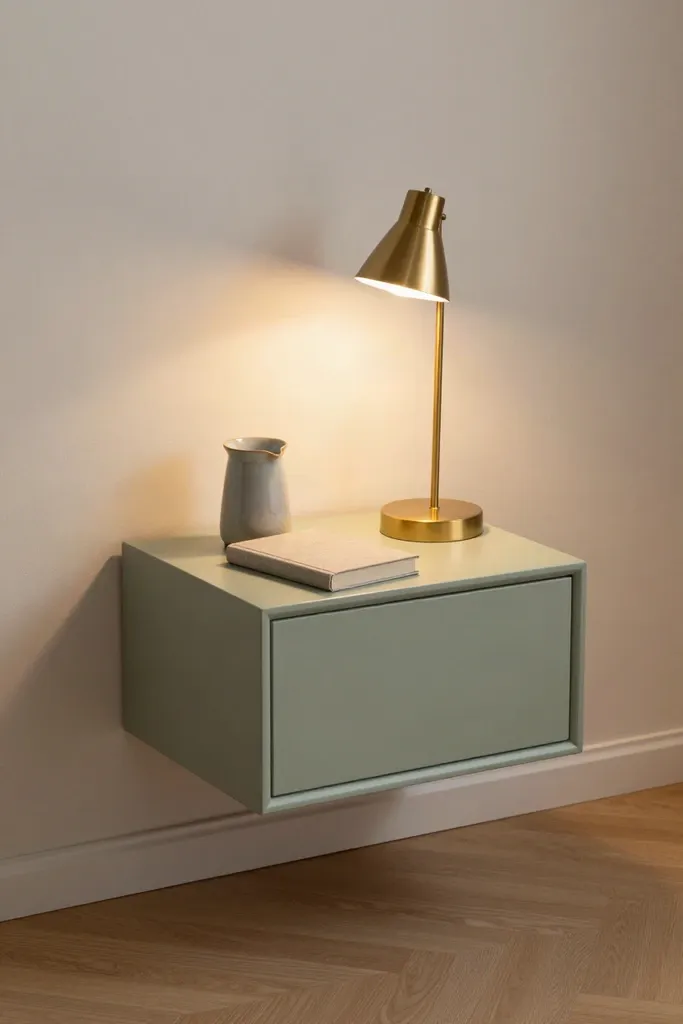
To keep that bedside perimeter open, mounting a floating nightstand directly into your wall studs eliminates awkward wooden legs that typically crowd tight room corners. When your eye can trace continuous flooring right up to the baseboards, your brain naturally registers the sleeping quarters as broader and noticeably lighter. A clean-lined wall mounted bedside table easily supports your evening paperback and an amber reading lamp without creating visual heaviness near the floor. Suspending storage six to eight inches above the baseboard also keeps dark shadows from pooling along the mattress edge, making morning floor care straightforward while preserving the crisp open sightlines you just established with your low-profile bed frame.
The After: Styling the Final Calming Touches
With the physical framework dialed in and bulky storage cleared away, you have built the structural breathing room necessary to refine the overall mood. Successful styling a small bedroom always relies on intentional restraint, where every textile and tactile surface complements the room rather than competing for square footage. Introducing low-wattage warm lighting and soft acoustic layers transforms this newly uncluttered footprint into a practical sleeping space. Because the floor remains visible and the walls capture soft daytime light, these gentle decorative layers register as quiet comforts rather than visual clutter, keeping the physical footprint entirely unobstructed for daily use.
1. Layering Textured Neutral Bedding
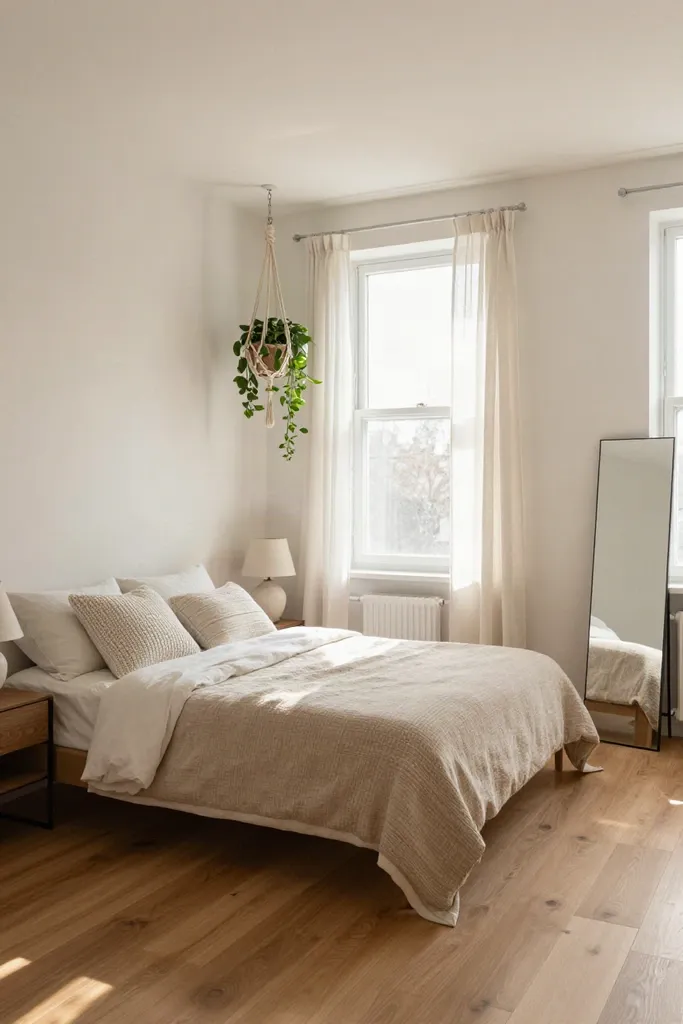
Setting up a comfortable bed in tight quarters comes down to tactile depth rather than piling on oversized, puffy duvets that consume the room. Starting with a washed flax linen duvet cover in oatmeal or soft biscuit establishes a relaxed foundation that breathes easily through the night. Incorporating textured neutral bedding through tone-on-tone ivory percale sheets and a crinkled cotton coverlet delivers visual dimension while keeping the physical profile slim. Because the palette stays within gentle shades of cream and warm greige, the eye travels smoothly across the bed surface without encountering harsh color breaks.
A lightweight waffle-weave throw folded narrowly across the footboard provides tactile richness without spilling over the side rails. For cozy bed styling in limited dimensions, restrict decorative accents to your standard sleeping pillows and a single elongated linen lumbar pillow rather than a crowded stack of cushions. This disciplined arrangement keeps morning resets fast while providing physical back support against the wall when you sit up to read.