27 Clever Decorating Ideas for a Small Apartment Bedroom: The Minimalist Approach
Maximizing Floor Space with Smart Furniture
When square footage is tight, every piece you bring into a small bedroom layout must pull its weight. Stripping away visual bulk and choosing intentional space saving bedroom furniture preserves clean floor space, creating an open, grounded retreat where your eye moves freely across uncluttered surfaces.
1. Opt for a Low-Profile Platform Bed
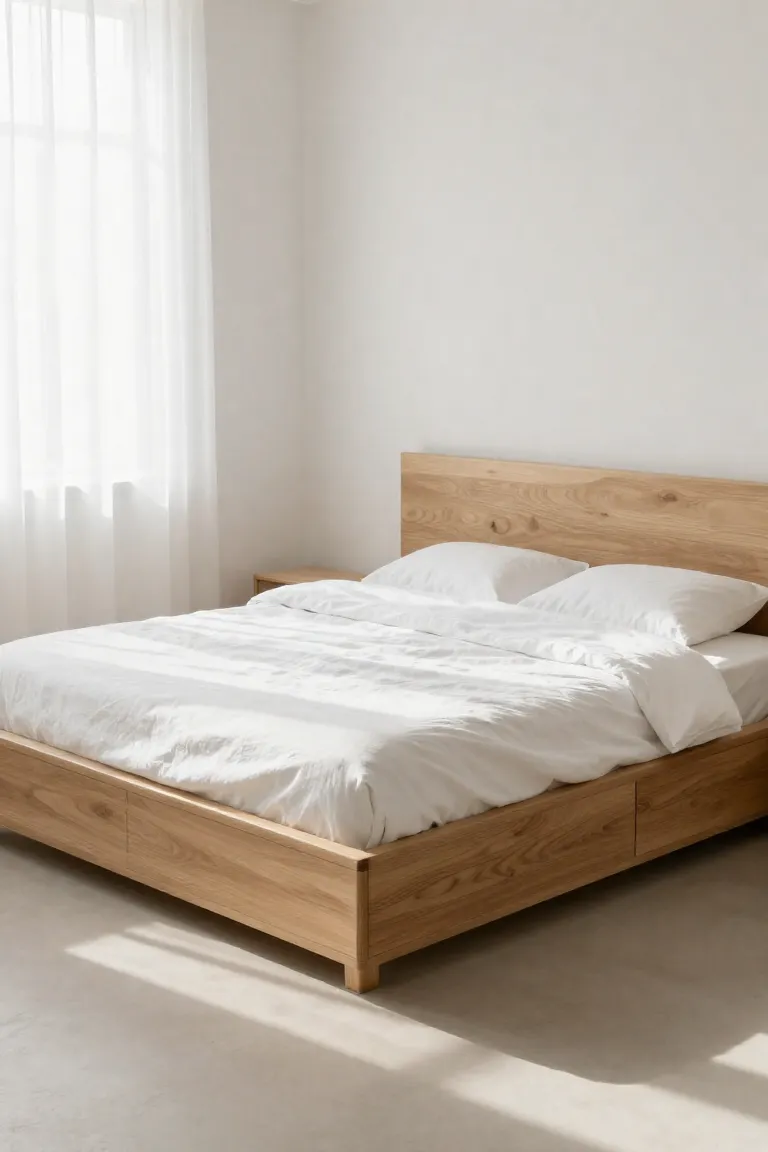
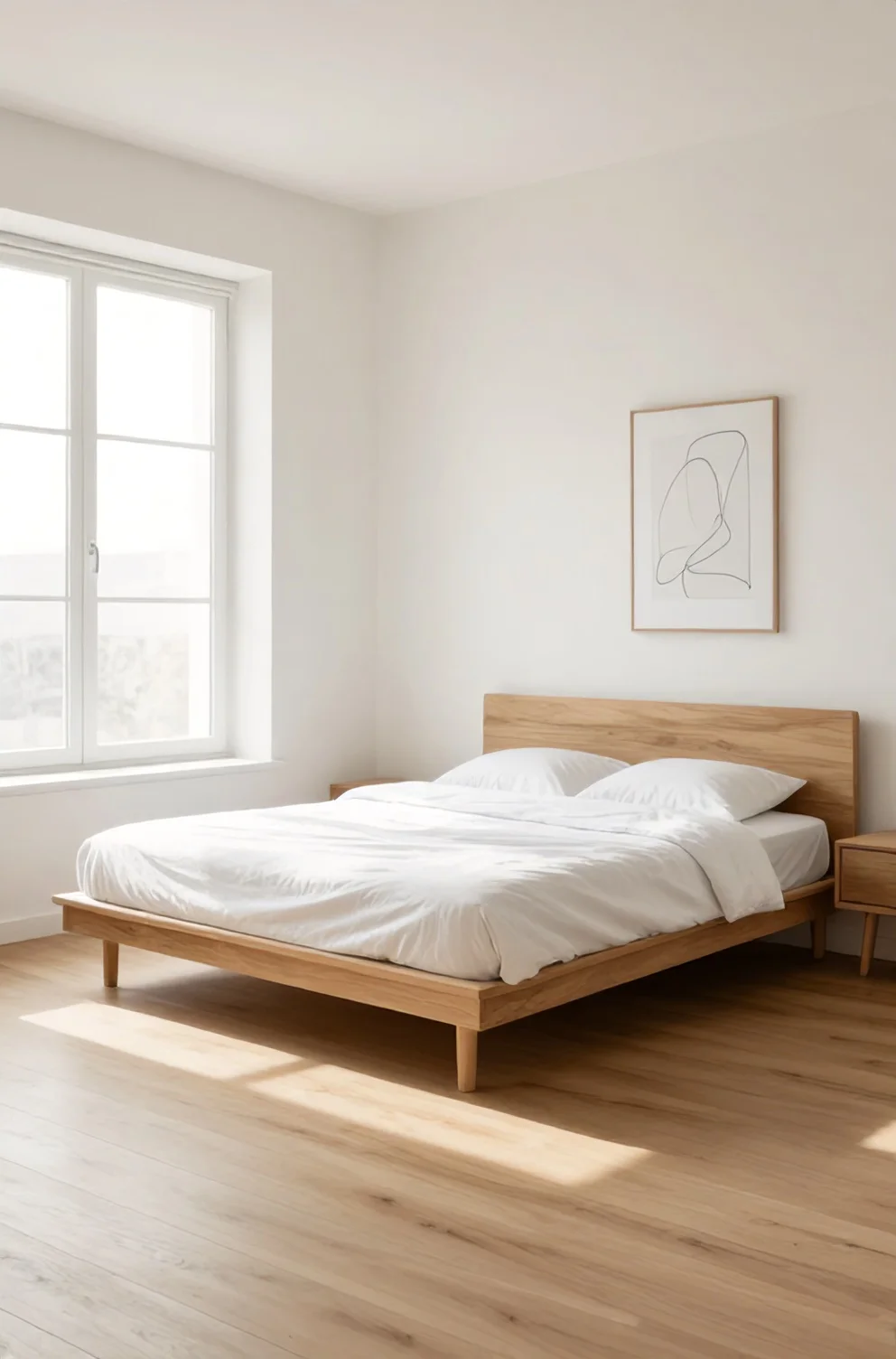
Dropping your sleeping surface closer to the ground instantly alters the vertical proportions of a compact room. A sleek, low-profile bed frame leaves generous wall expanse between the mattress and the ceiling, making the entire volume feel taller and less crowded.
Solid oak or birch designs from retailers like Target or IKEA maintain structural rigidity while keeping a minimal profile. Pair a platform bed setup in a small room with a slim 8-inch foam mattress and crisp, tucked linen sheets to avoid bulky overhangs that eat into valuable walking clearance.
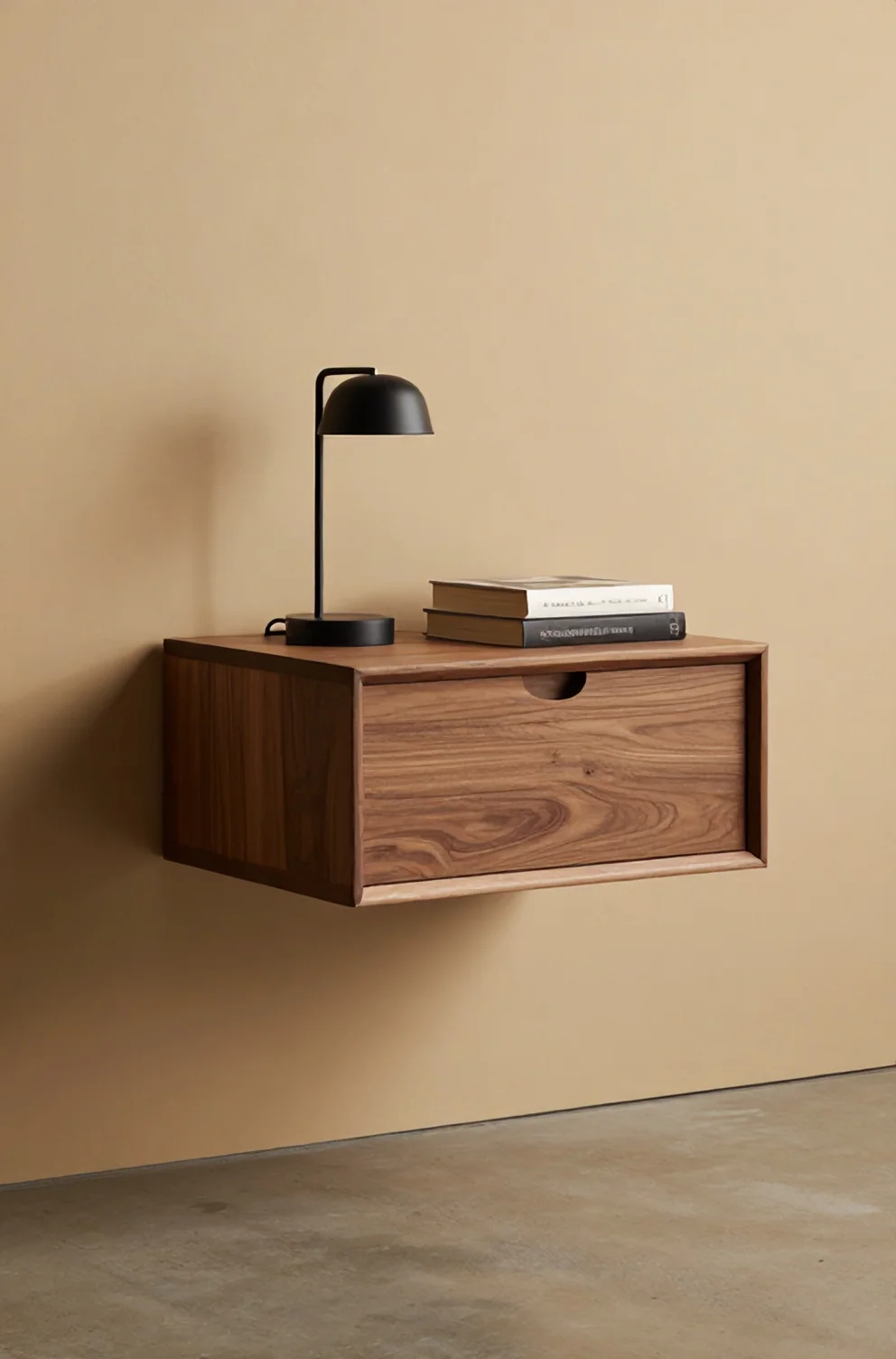
2. Install Floating Nightstands
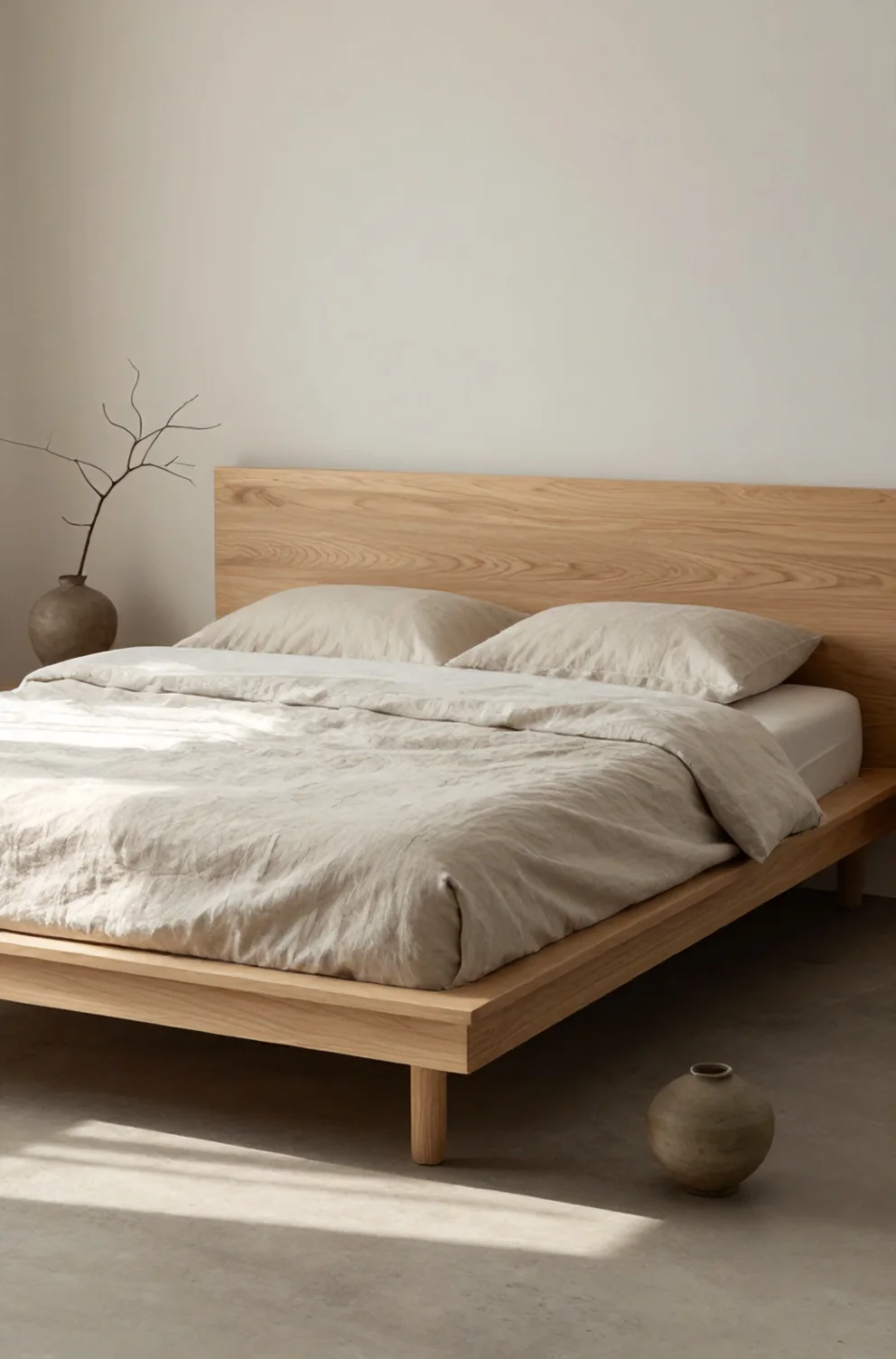
Unbroken baseboards trick the eye into perceiving a room as substantially wider than it actually is. Securing a wall-mounted bedside table roughly 22 inches off the floor eliminates clunky table legs, leaving continuous flooring exposed and simplifying your morning vacuum sweep.
- Select a single-drawer wooden shelf to conceal charging cables and daily clutter.
- Leave at least 6 inches of clearance between the bottom of the shelf and your baseboard for an airy visual gap.
- Mount the unit directly into a wall stud with heavy-duty anchors to prevent sagging over time.
These practical floating nightstand ideas keep bedtime essentials within arm's reach while maintaining a quiet, uncluttered perimeter around the mattress.
3. Utilize Under-Bed Storage Drawers
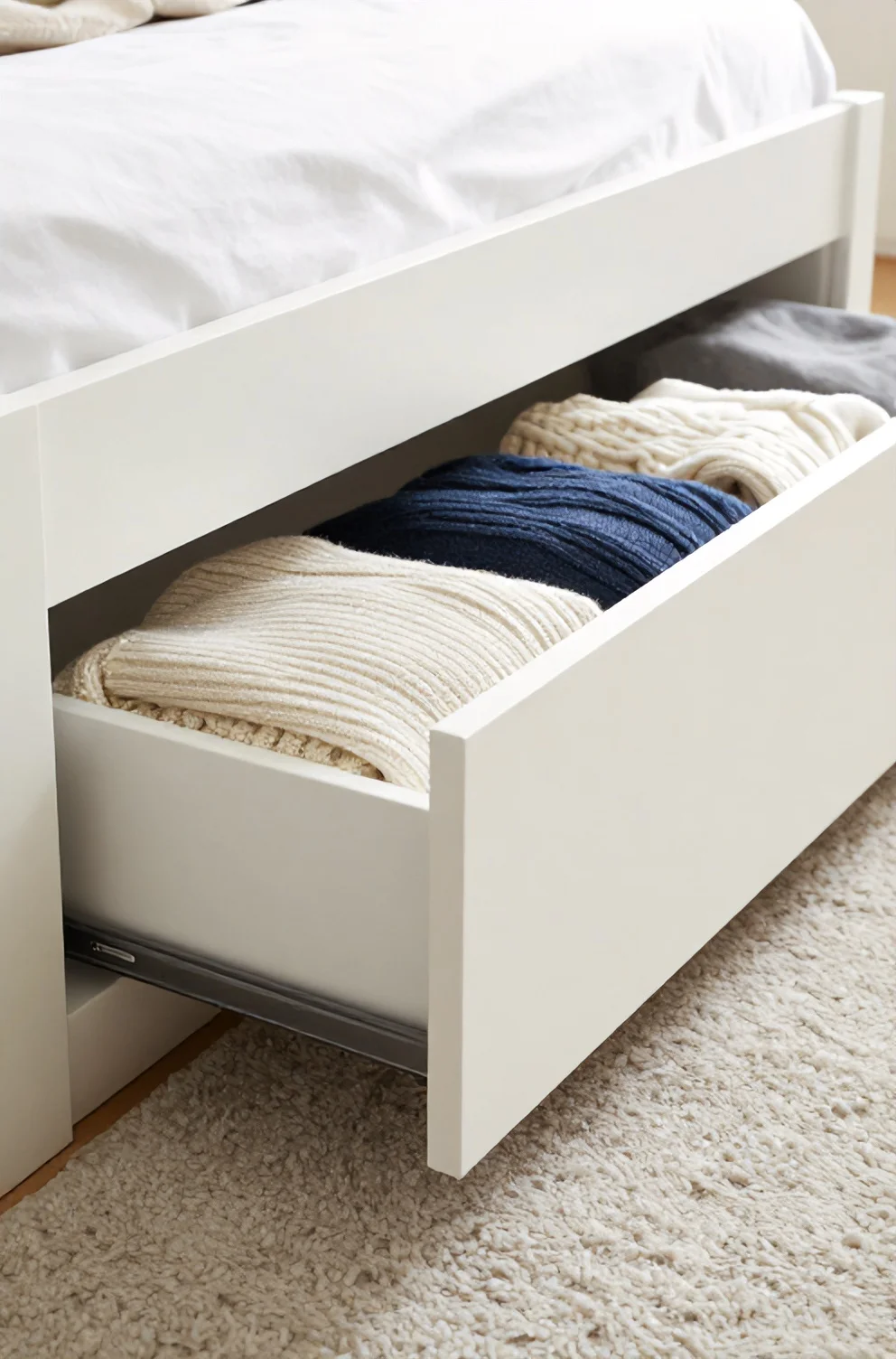
The real estate directly beneath your mattress offers several square feet of untapped potential without eating into precious walking lanes. Sliding low-profile bins or built-in rolling drawers beneath the platform framework provides discreet, hidden bedroom storage for bulky winter coats, spare duvet inserts, and out-of-season knitwear. Breathable canvas boxes or shallow wheeled containers from Target keep dust at bay while preserving a clean floor aesthetic.
For the smoothest daily routine, measure your bed clearance down to the half-inch before buying organizers to avoid stubborn snags against low side rails. Smooth-gliding caster wheels or felt-bottomed wooden trays make accessing this under-bed storage simple, even over low-pile bedroom rugs.
Clever Vertical Storage & Shelving
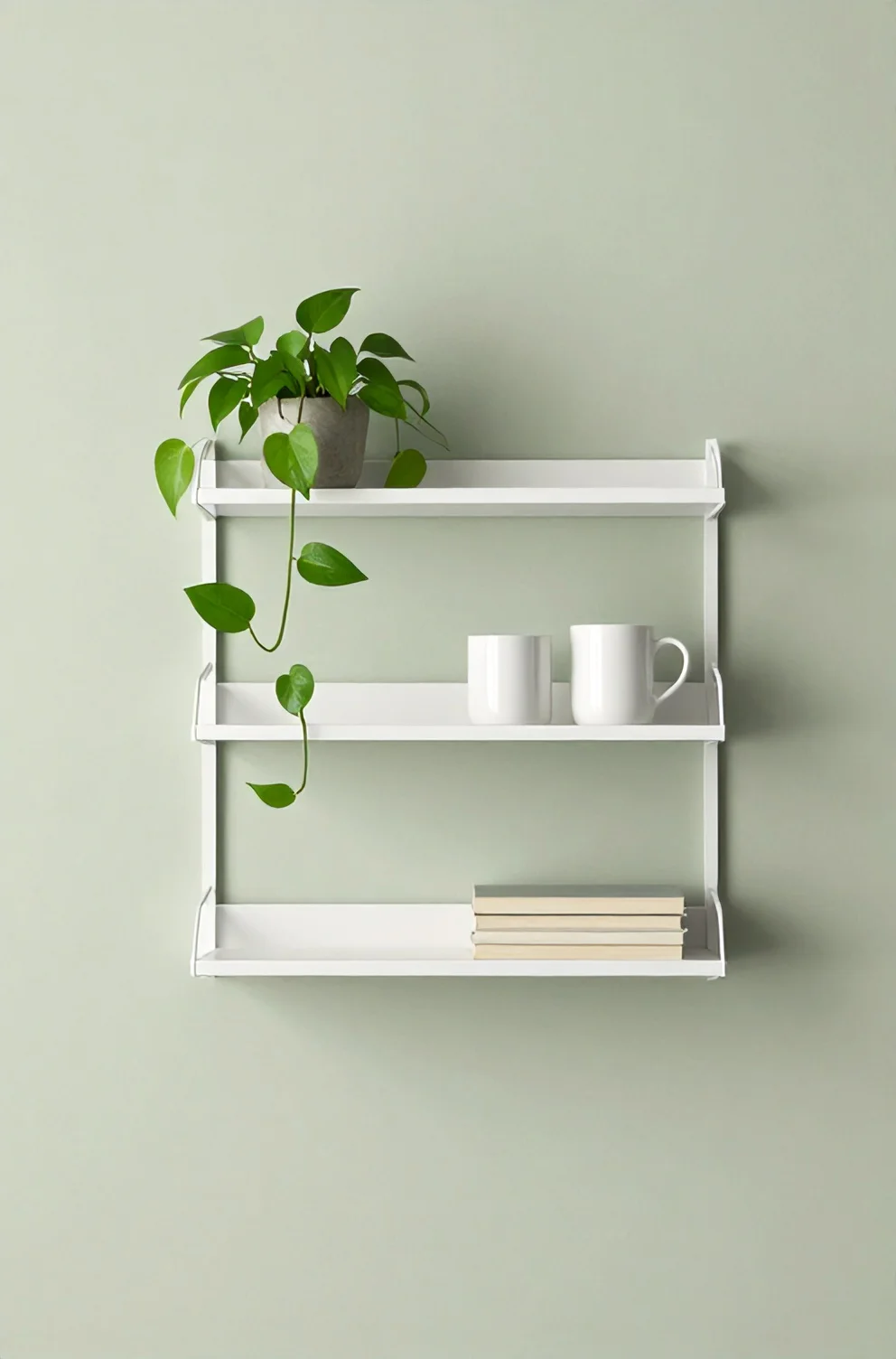
Once your floor footprint reaches capacity, redirecting attention toward the ceiling transforms empty drywall into hard-working storage zones. Smart vertical shelving ideas prevent visual crowding around the room's perimeter while drawing the eye upward to create an immediate sense of added headroom.
- Floating picture ledges mounted above the headboard hold framed line art and lightweight paperbacks without jutting out.
- Slender ladder bookcases tucked into unused corners organize folded linen stacks cleanly.
- Adjustable wall-track brackets provide flexible bedroom wall storage that shifts easily as your organizational needs evolve.
4. Ceiling-High Built-In Wardrobes
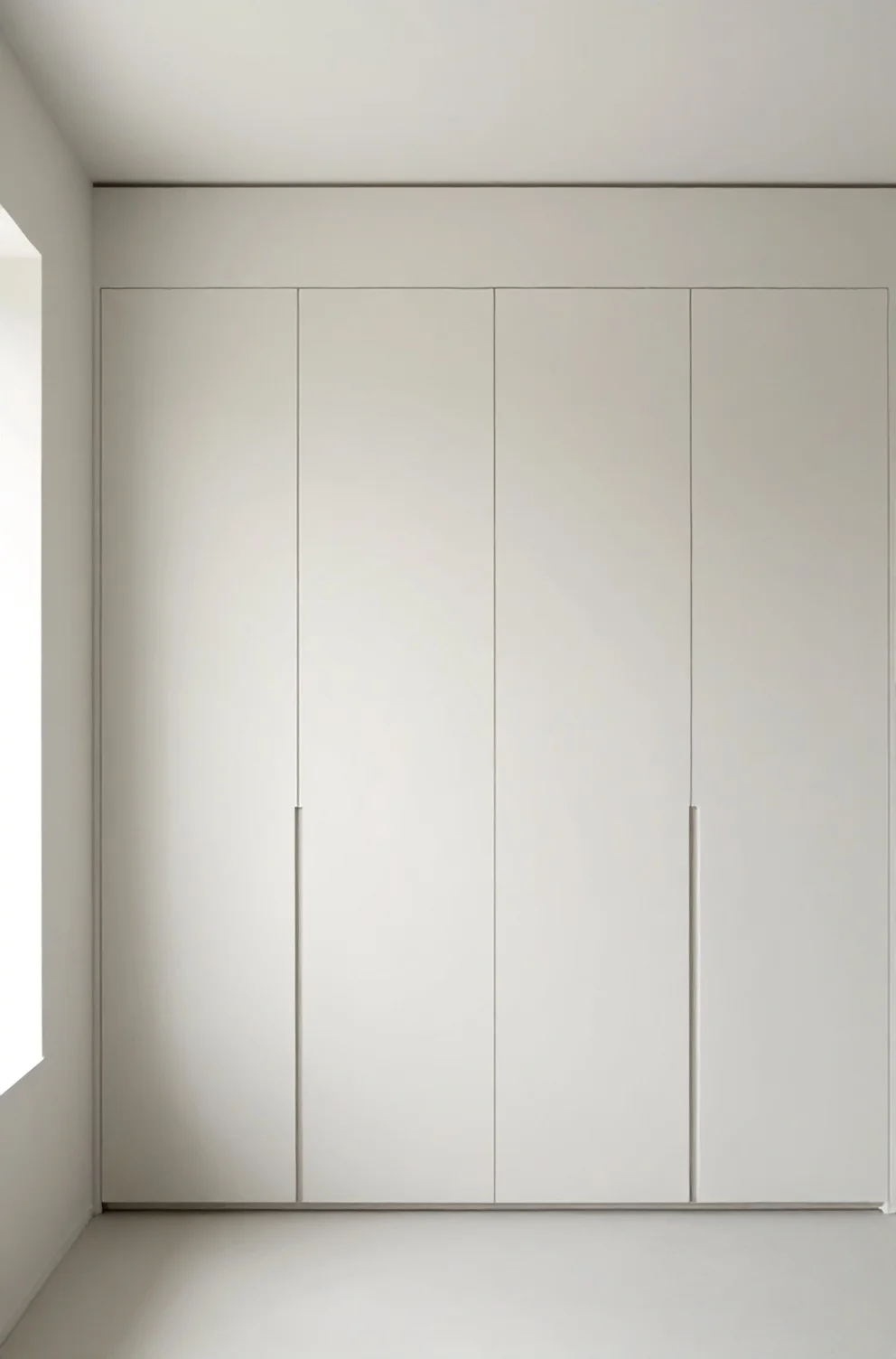
Standard freestanding dressers often leave an awkward gap near the ceiling that collects dust and fragments the room's visual lines. Installing a floor-to-ceiling wardrobe eliminates that dead zone entirely, unifying the vertical plane so the cabinetry blends quietly into the surrounding walls. Modular systems from IKEA fitted with sleek, push-to-open doors deliver a custom architectural presence on a realistic apartment budget.
Flat-panel cabinet faces painted to match your exact wall trim reinforce a crisp, minimalist closet design that recedes into the background. Interior layouts configured with double-tier hanging rods and pull-out wire baskets ensure every vertical inch stays organized behind closed doors.
5. Sleek Wall Sconces Instead of Table Lamps
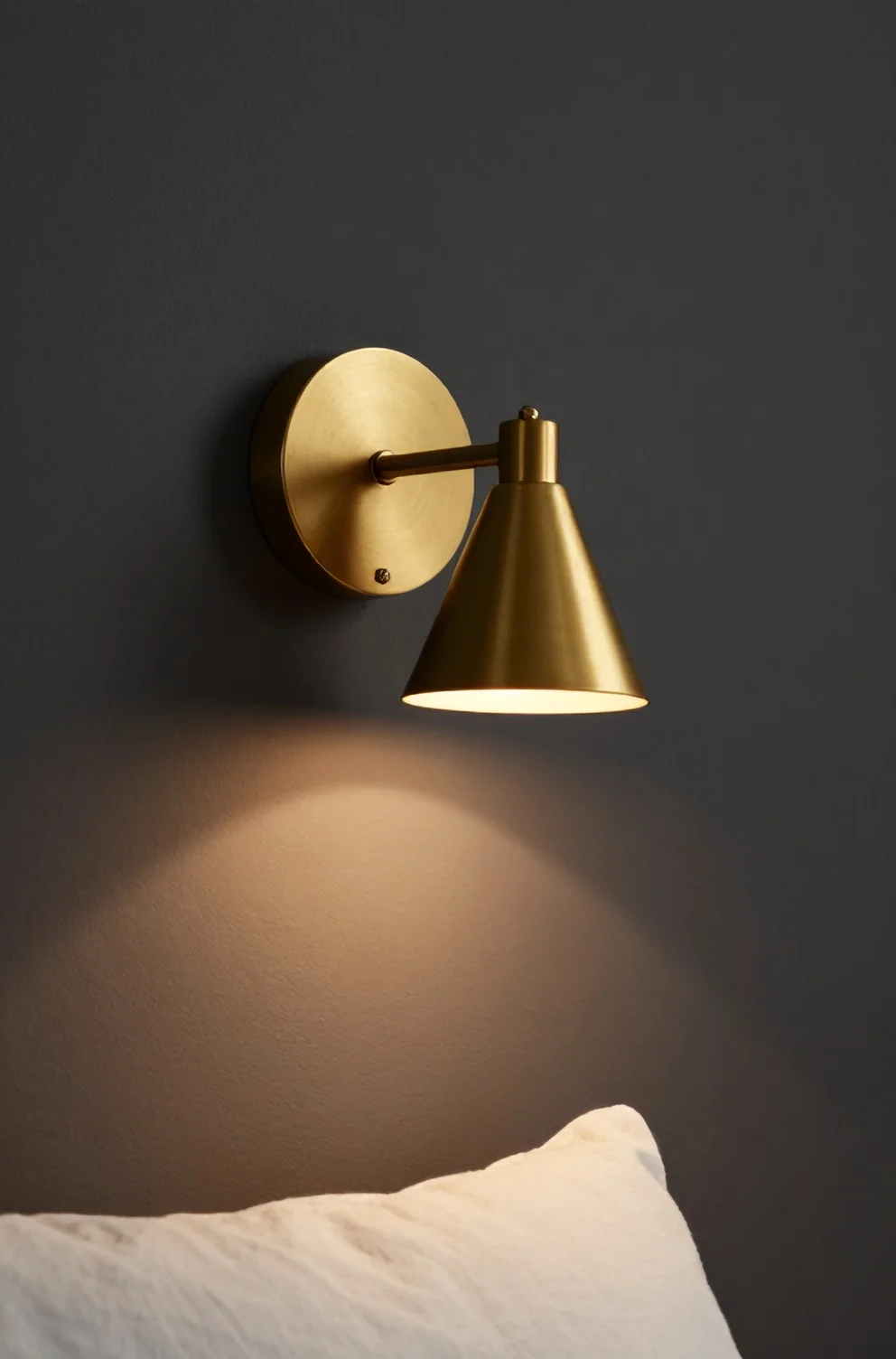
Clearing your bedside tabletop of bulky lamp bases immediately opens up visual breathing room in a tight layout. Hardwired or plug-in bedroom wall sconces mount flush against the drywall, casting focused task light downward without claiming an inch of nightstand surface area. Look for matte black or brushed brass fixtures with articulating arms from retailers like Target or CB2 that allow you to adjust the beam angle for late-night reading.
A minimalist bedroom lighting scheme thrives on understated hardware and warm-temperature bulbs. Pair your fixtures with a soft 2700K LED bulb to keep the glow cozy rather than sterile. If running conduit inside the wall is not an option in a rental, conceal exposed cords inside paintable wire channels matched to your wall color for an intentional, streamlined look.
6. Over-the-Door Hanging Organizers
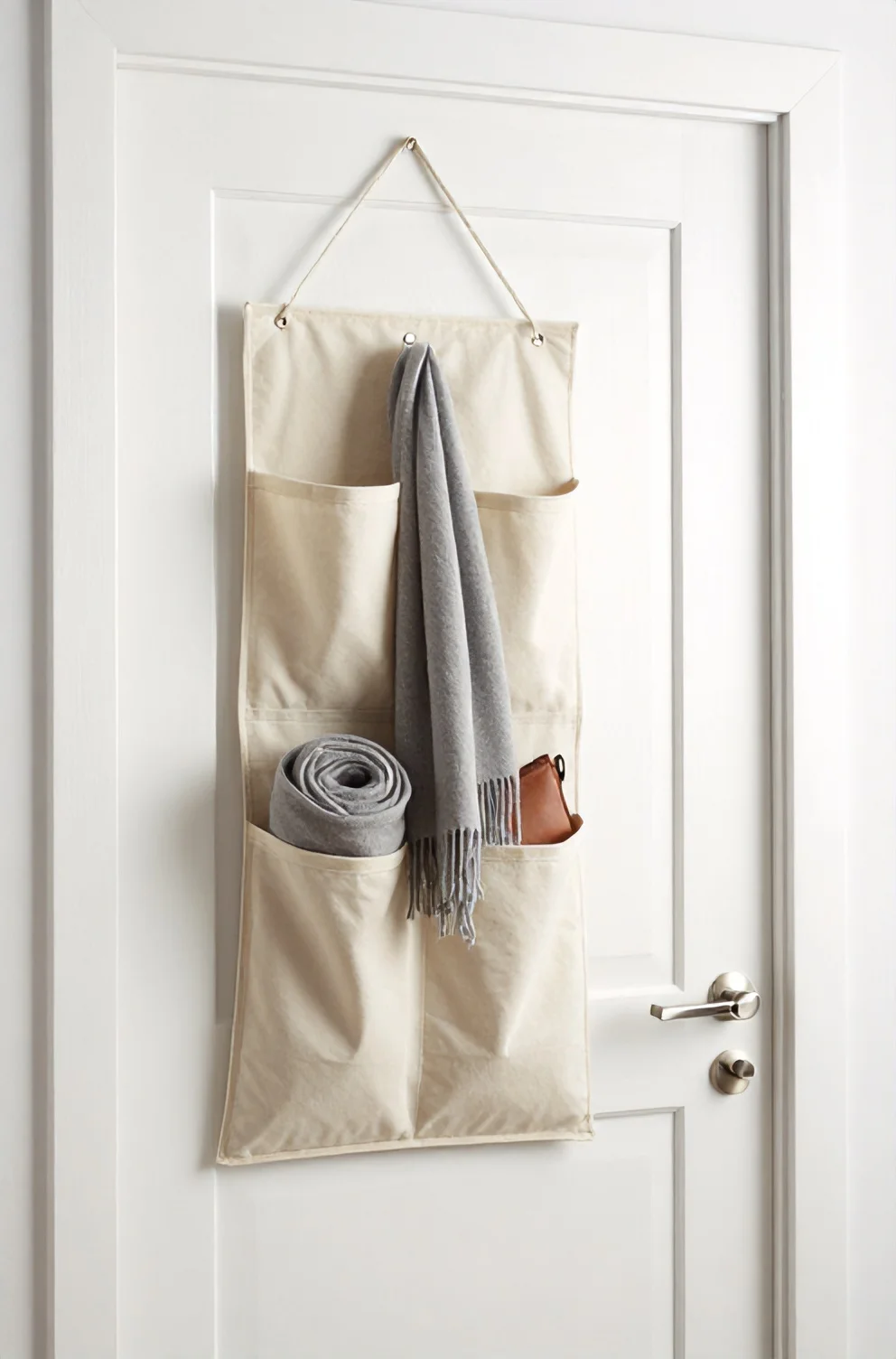
The unused surface on the back of an entryway or closet door offers prime utility without encroaching on your floor plan. Heavy-duty behind-the-door storage units transform blank panels into compact vertical hubs for footwear, lint rollers, charging cables, and daily accessories that would otherwise crowd your dresser top.
Streamlined fabric pockets or matte metal wire racks sourced from The Container Store maintain a crisp look compared to flimsy vinyl pouches. For the cleanest execution among hidden organizer ideas, attach adhesive felt bumpers behind the hanging hooks. This prevents frame scratches, eliminates metallic rattling when closing the door, and keeps visual noise entirely tucked away.
Neutral & Calming Color Palettes
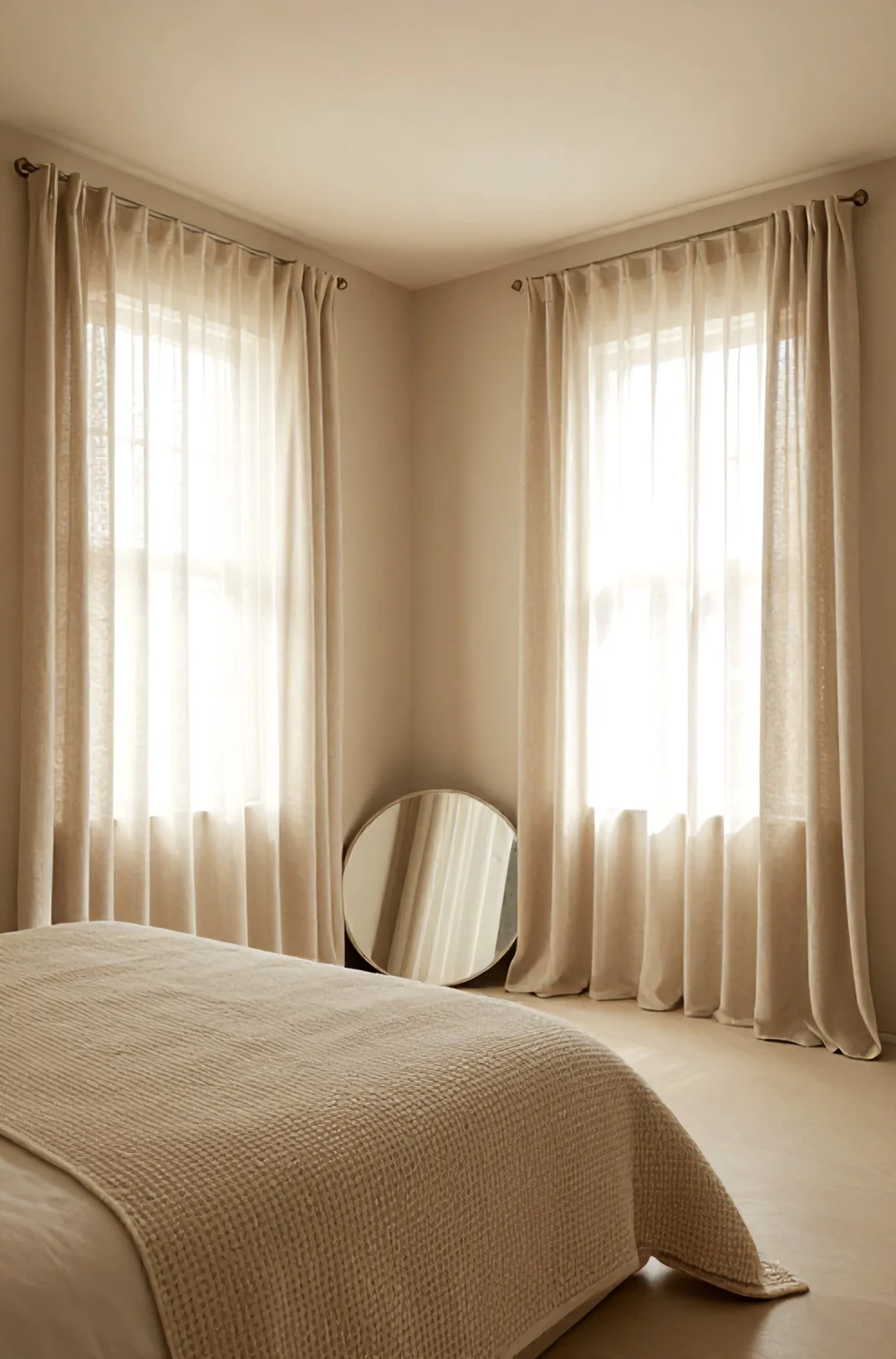
Visual clutter extends beyond physical objects. Competing paint hues can also make a compact bedroom feel restrictive and overstimulating. Selecting a subdued, calming bedroom palette allows the eye to travel across the room without abrupt visual stops. Soft shades of warm alabaster, pale oyster, and muted sand bounce natural daylight from the window, naturally blurring the perimeter boundaries of your space.
A disciplined foundation of minimalist bedroom colors provides a quiet backdrop that encourages restful sleep. Rather than introducing sharp contrast, build subtle dimension through tactile finishes, such as a bouclé throw or a washed linen duvet. A cohesive wash of warm neutral paint on both walls and baseboards softens architectural shadows, creating a gentle visual envelope that feels expansive yet deeply grounded.
7. Embrace the All-White Aesthetic
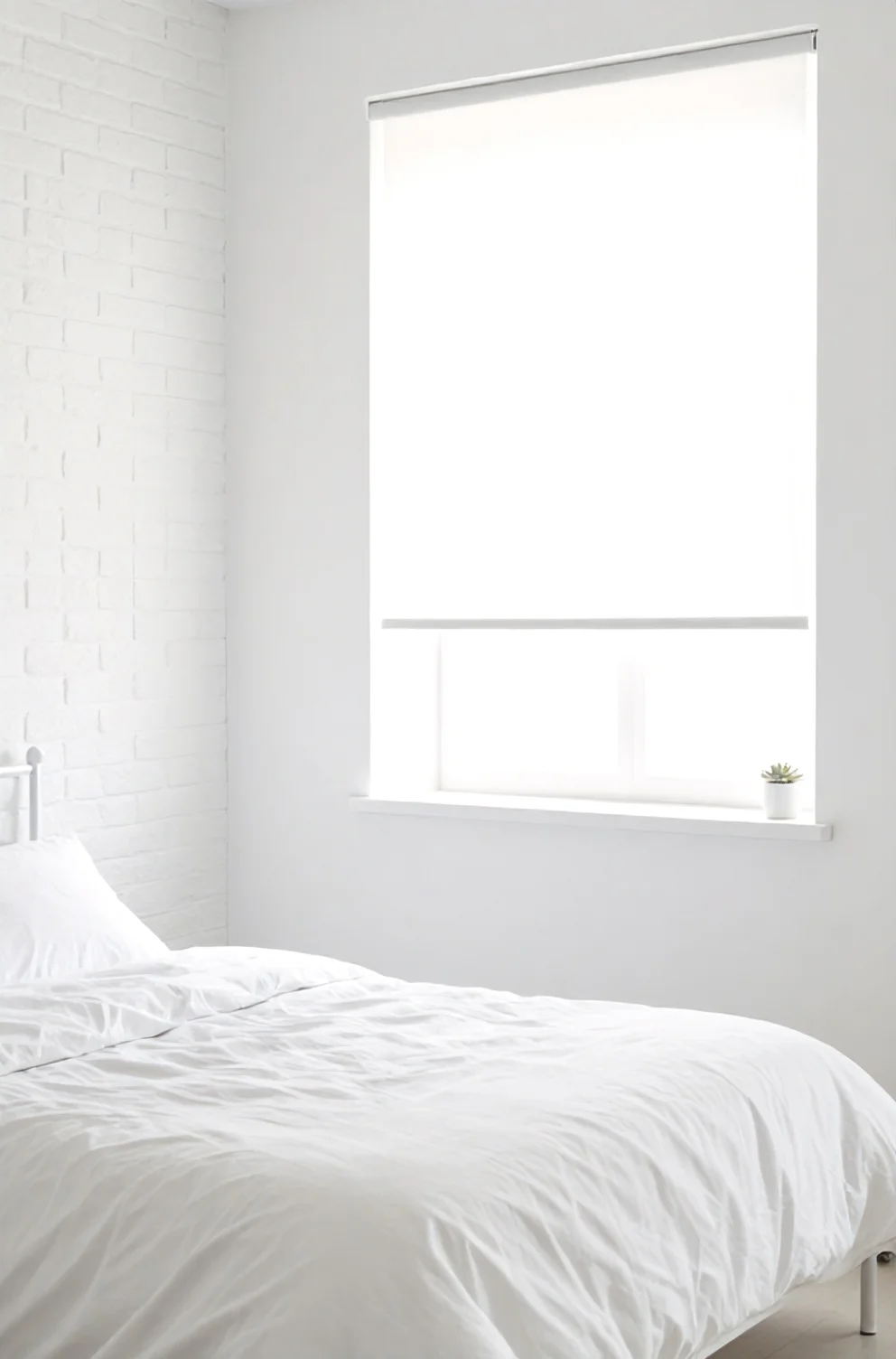
Drenching your sleeping quarters in crisp, reflective chalk tones tricks the eye by blurring the hard perimeters where walls meet the ceiling. In a small room with limited daylight, flat drywall finishes bounce incoming rays from window sills across the entire footprint, softening heavy shadows. When planning an all-white bedroom, pair warm matte finishes on the drywall with satin enamel along the baseboards to introduce subtle light variance without introducing conflicting pigments.
Stylist Rule: Avoid chalky brights with heavy blue undertones; instead, swatch soft alabaster or warm chalk paints like Sherwin-Williams Alabaster to prevent a sterile, clinical feel.
8. Add Depth with Soft Greige
If stark monochrome feels a touch too austere for your taste, shifting toward a muted union of beige and stone gray offers a gentle, grounded feel. Painting greige bedroom walls introduces a cozy, cocoon-like atmosphere while preserving the quiet restraint that small footprints demand. This versatile hybrid shifts with ambient lighting throughout the day, looking crisp and airy under morning sun before settling into a warm, candlelit glow by dusk.
Warm minimalist colors work especially well when anchored against natural white oak frames and unbleached cotton bedding. To prevent the room from feeling flat or muddy, stick to light-reflective values with a high LRV (Light Reflectance Value) above 65, such as Benjamin Moore Edgecomb Gray or Sherwin-Williams Agreeable Gray.
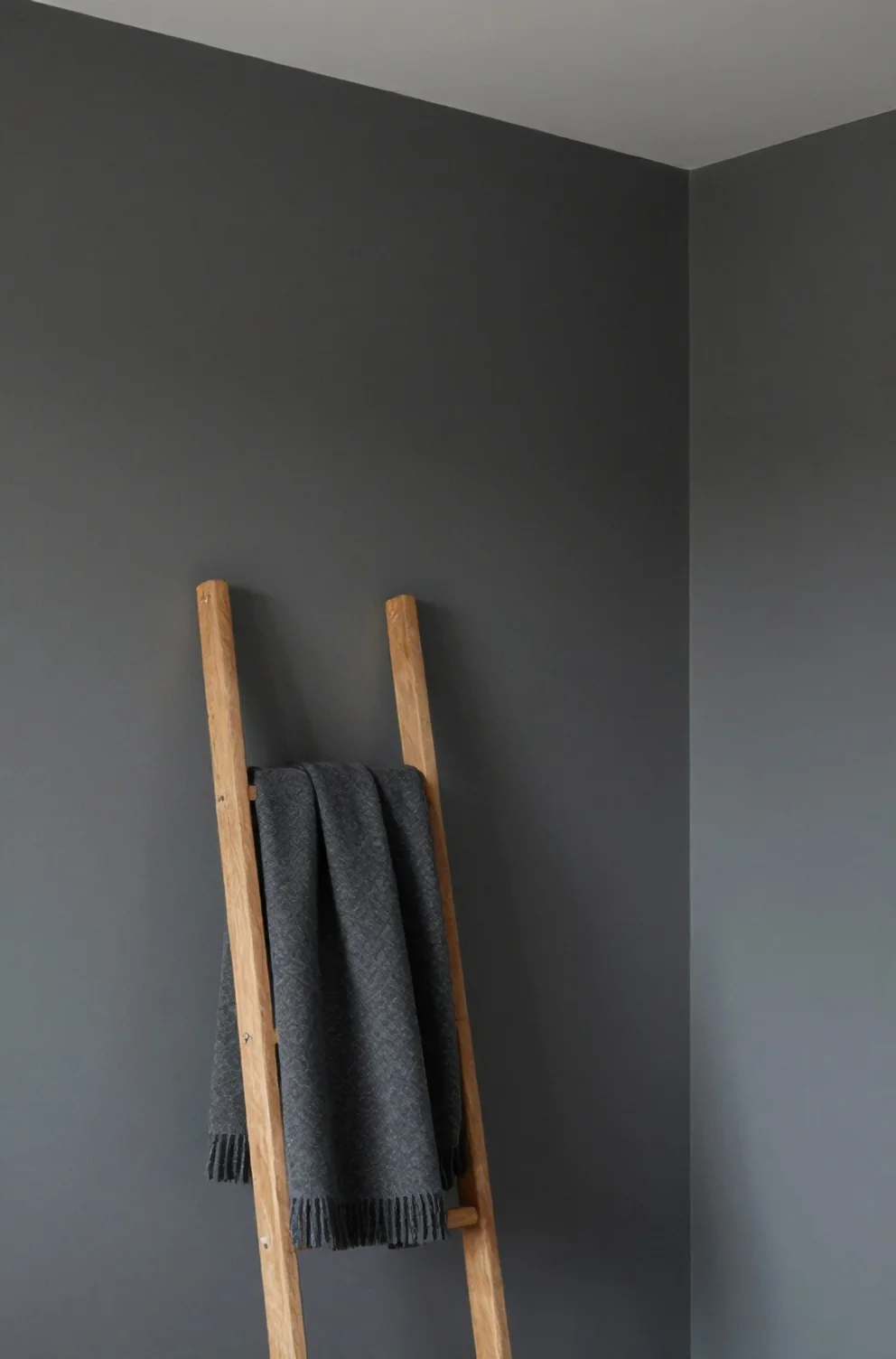
9. Use Tonal Layering for Texture
Stripping away contrasting color palettes shifts the entire focus onto tactile material diversity, transforming a single hue into a rich sensory landscape. Thoughtful tonal bedroom styling relies on subtle variations in fabric density, surface sheen, and weave structure rather than bold graphic prints to catch ambient light across the bedscape.
- Pair an unwashed linen duvet with a dense chunky-knit wool runner at the foot of the mattress.
- Incorporate brushed matte ceramic table vessels alongside a smooth polished travertine tray.
- Layer sheer slub-cotton window drapery over solid matte roller shades to soften raw window edges.
- Tuck a ribbed cotton pillow against crisp percale shams to build immediate monochromatic bedroom texture.

Minimalist Decor & Intentional Accents
Filling every bare dresser surface with souvenir knickknacks quickly overwhelms a compact sleeping footprint. Successful minimalist bedroom decor relies on selective placement where every single item earns its spot through tactile warmth or daily utility. Instead of scattering dozens of small trinkets across your windowsill, group two purposeful objects together, like a hand-thrown stoneware pitcher from a local pottery market and a matte ceramic dish for your rings.
When practicing intentional decorating, negative space functions as a deliberate visual breather rather than an empty void that needs fixing. Leave at least forty percent of your tabletop surfaces completely bare. This clear margin lets natural morning light wash cleanly across furniture surfaces, keeping the entire bedroom feeling calm, curated, and uncluttered.
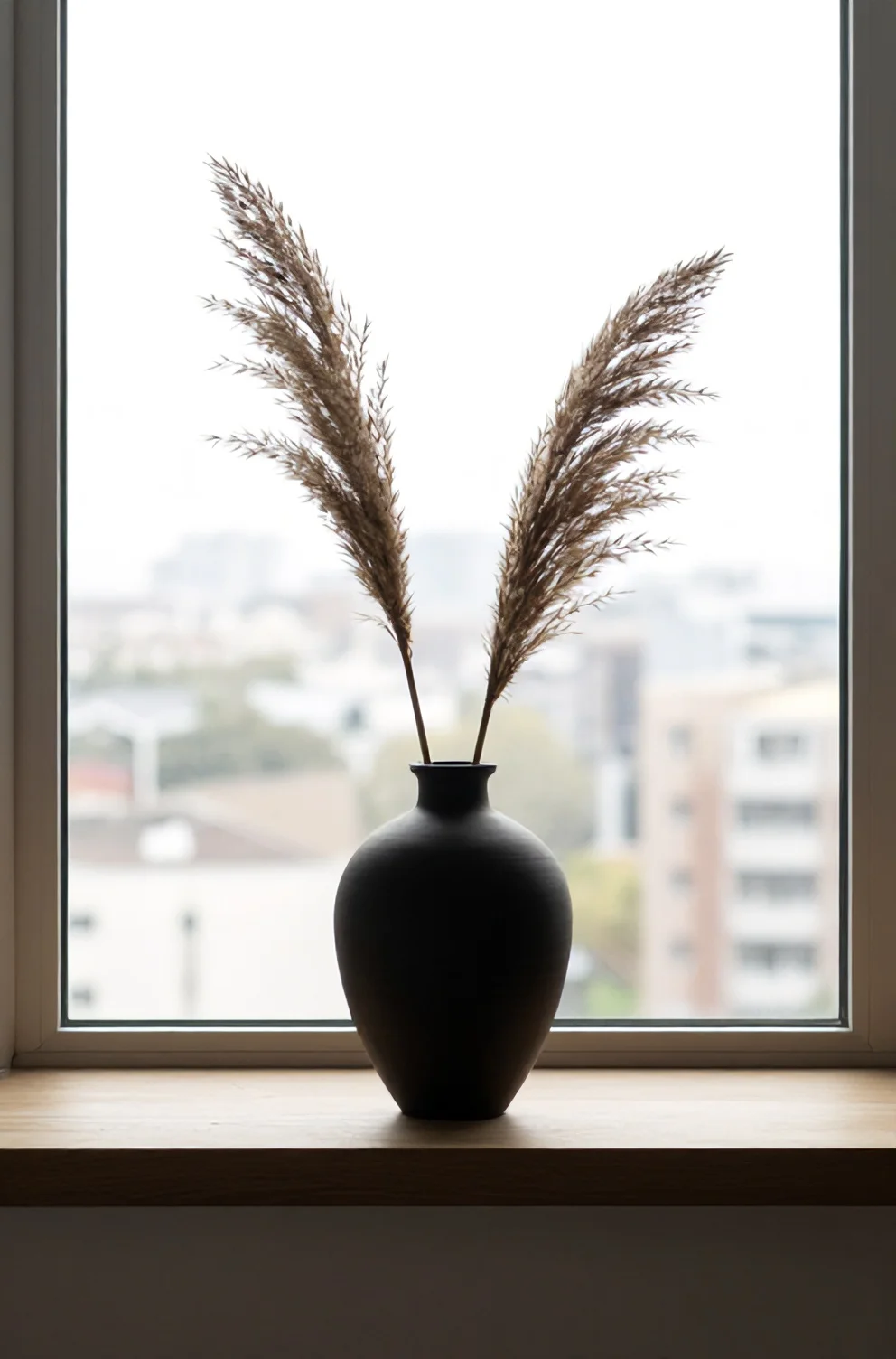
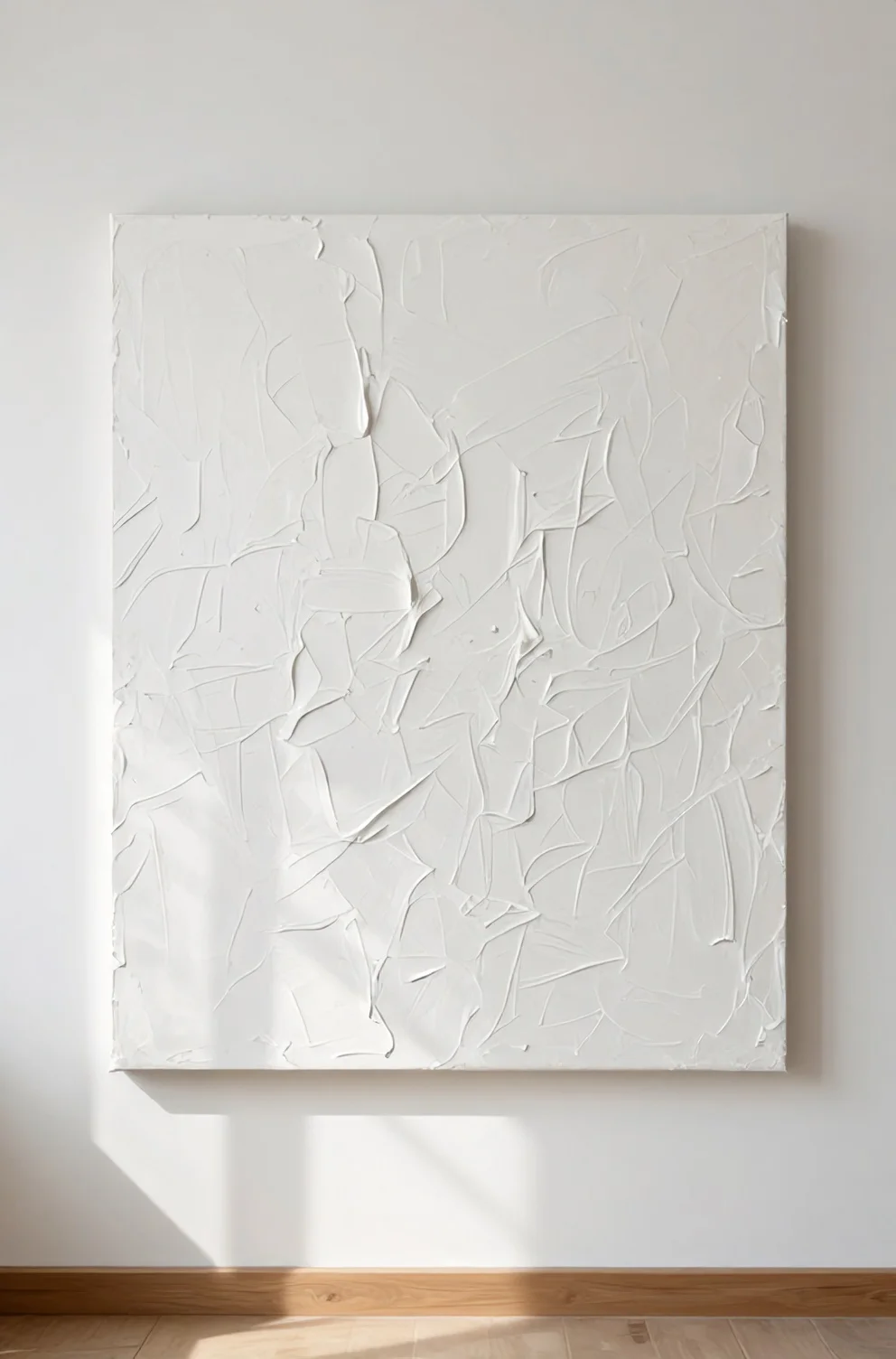
10. Hang One Oversized Piece of Art
While a multi-frame gallery wall looks charming on Pinterest, dozens of contrasting picture frames and busy mat boards chop up small wall space into visual static. Anchoring your wall with a single, large bedroom wall art piece provides a resting spot for the eye and creates an immediate architectural anchor above the headboard. A 30x40-inch canvas featuring muted plaster texture or sweeping charcoal lines from Target or an independent Etsy artist expands the visual scale of your sleeping quarters.
- Choose lightweight wood or thin metal floater frames that keep the profile slim against the wall.
- Hang the artwork roughly six to eight inches above your mattress to prevent head bumps when sitting up.
- Select low-contrast palettes like ecru, washed linen, or soft graphite to keep the statement piece minimalist and soothing.
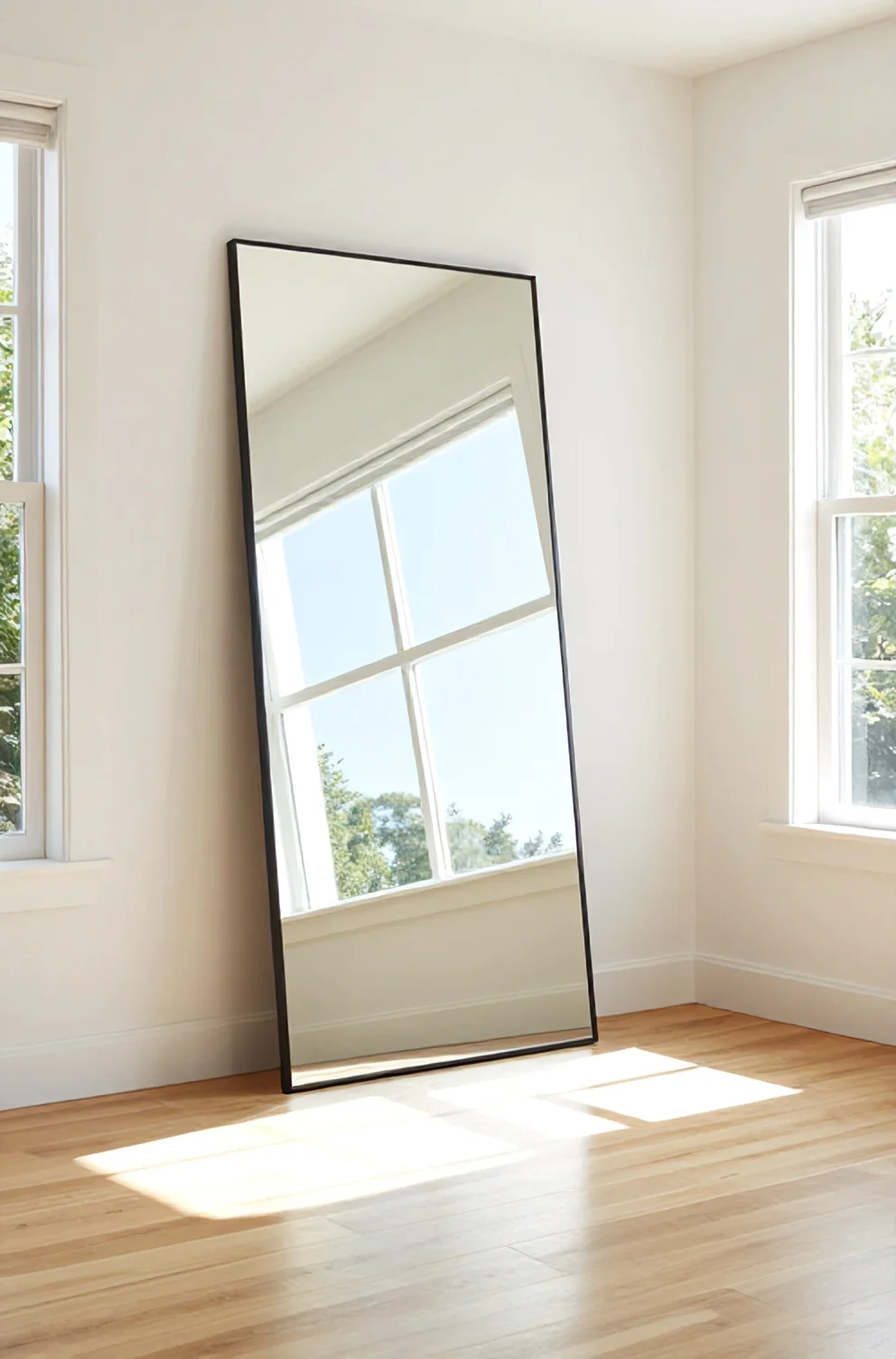
11. Incorporate Strategic Mirrors
Positioning a large mirror across from your primary natural light source instantly alters the perceived boundary of compact living quarters. Smart bedroom mirror placement reflects incoming daylight deep into dim corners, bouncing rays across the ceiling to create the illusion of a secondary window. A tall, arched standing mirror from Home Depot or an unadorned brass-trimmed rectangle from IKEA visually doubles your square footage without occupying valuable walking lanes.
To execute this classic small room mirror trick safely, anchor heavy frames into wall studs or use heavy-duty drywall anchors rather than relying on adhesive tape. Keep the reflection clear of open closet clutter or unmade laundry hampers, framing instead a clean outdoor view or an uncluttered plaster wall to preserve an airy, tranquil bedroom mood.
12. Limit Decor to Functional Items
Every object resting on your dresser or bedside table should earn its footprint by serving a daily routine. Instead of gathering dust-collecting knickknacks or generic resin figurines, curate practical bedroom accessories crafted from authentic, tactile materials. A sculptural stoneware water carafe, an architectural fluted glass humidifier, or a matte metal watering can for your windowsill pothos double as visual accents while streamlining your morning routine.
When curating minimalist decor essentials, prioritize enduring textures like unglazed ceramic, warm amber glass, and milled oak over disposable plastics. A shallow travertine catchall neatly corrals your everyday jewelry, while a heavy brass dish keeps matchbooks and pocket essentials contained. This disciplined filter keeps your sleep environment visually restful without stripping away the tools you rely on daily.