21 Mistakes to Avoid When Designing a Tiny Off-Campus Bedroom
Summary
- Spatial Constraints and Deposit Traps in Student Off-Campus Rentals
- Layout Miscalculations and Heavy Furniture Footprint Traps
- Vertical Clearance Errors and Rental-Safe Wall Storage Pitfalls
- Illumination Traps and Electrical Cable Snarls in Cramped Spaces
- Multi-Functional Storage Failures and Textile Scale Blunders
- Spatial Clearance and Fastener Load Specification Matrix
- Budget Allocation and Deposit-Protection Investment Framework
- Curated Spatial Blueprint for High-Function Off-Campus Living
Spatial Constraints and Deposit Traps in Student Off-Campus Rentals
Moving past dorm living into off-campus housing brings real freedom, but small rooms quickly collide with strict lease penalties. When square footage is tight, sensible planning keeps your setup functional without risking your security deposit.
A workable rental layout relies on reversible setups rather than permanent wall fasteners. In practice, I notice smart renters protect their deposit by prioritizing freestanding pieces and lightweight decor that pack down easily on moving day.
Layout Miscalculations and Heavy Furniture Footprint Traps
Cramming full-depth dressers alongside wide study tables destroys circulation in rooms under one hundred square feet. In tight floorplans, your primary egress path must remain clear so closet doors and room entryways swing open without hitting drawer corners.
- Position the bed against the longest unbroken wall to preserve central floor area.
- Choose a shallow desk depth to maintain an open walking path.
- Choose an open-leg desk rather than a solid drawer pedestal to keep sightlines clear.
Oversized Bed Frames Consuming Usable Walking Clearance
Thick headboards and wide wooden side rails steal valuable floor space in compact rental rooms. That lost floor depth causes bedroom doors to clip bed edges, forcing you to squeeze around sharp corners every morning.
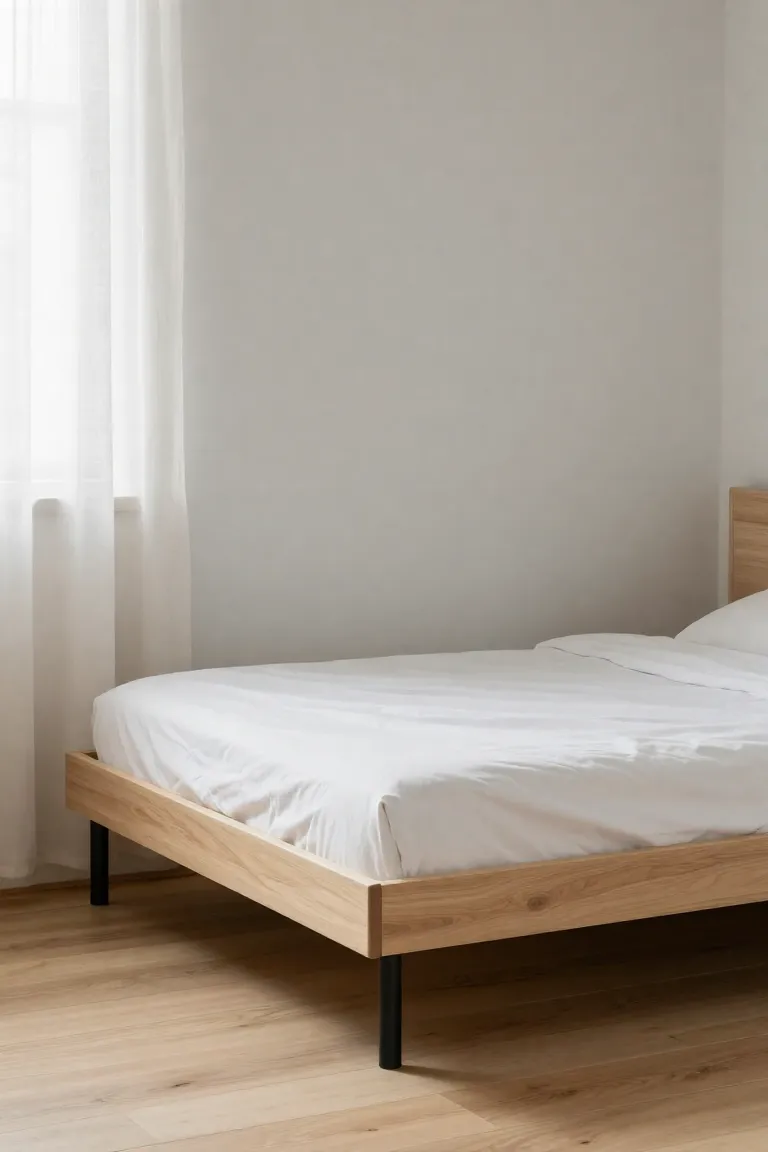
A simple steel platform bed eliminates wide outer ledges while unlocking generous under-bed storage space. Swapping out a bulky frame opens plenty of clearance for room doors to swing unobstructed.
Solid Box Nightstands Blocking Under-Bed Air Circulation
A boxy cabinet crammed against the mattress cuts off access to storage totes and creates stagnant air pockets along the baseboard. Enclosed drawer boxes sitting on low carpet trap musty moisture and prevent storage containers from gliding out easily.
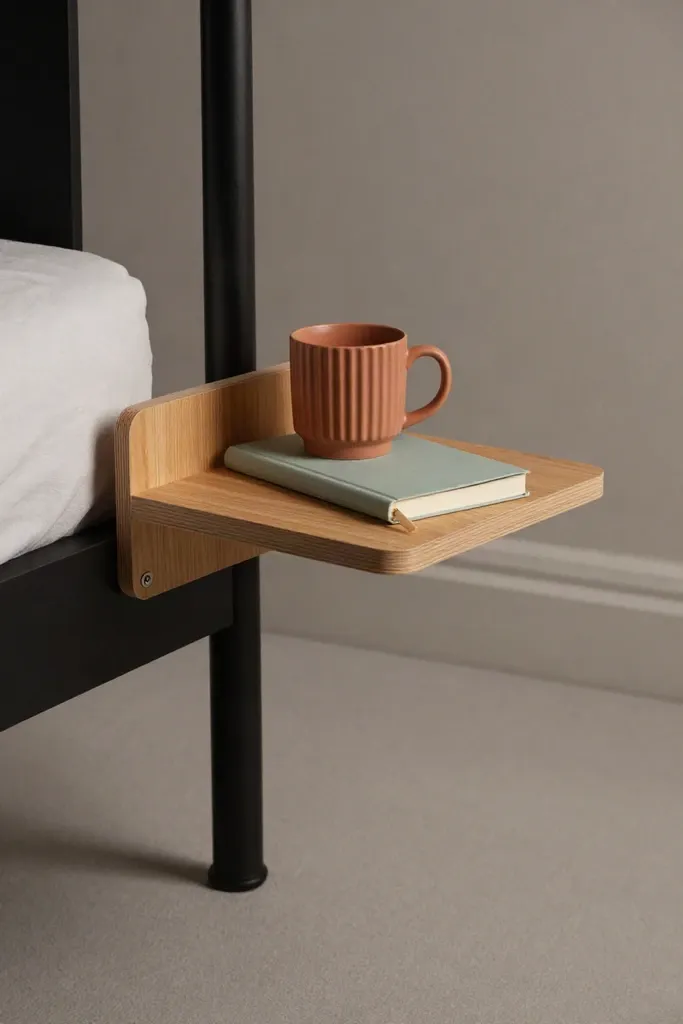
Stylist Rule: Replace floor-bound side tables with an eight-inch clamp on bedside shelf attached directly to the bed frame.
This cantilevered setup holds nighttime essentials securely without resting on the carpet or requiring wall screws. Freeing up that floor space leaves room for storage bins while keeping your phone and water glass within arm's reach.
Low-Hanging Flush Mounts Flattening Vertical Room Height
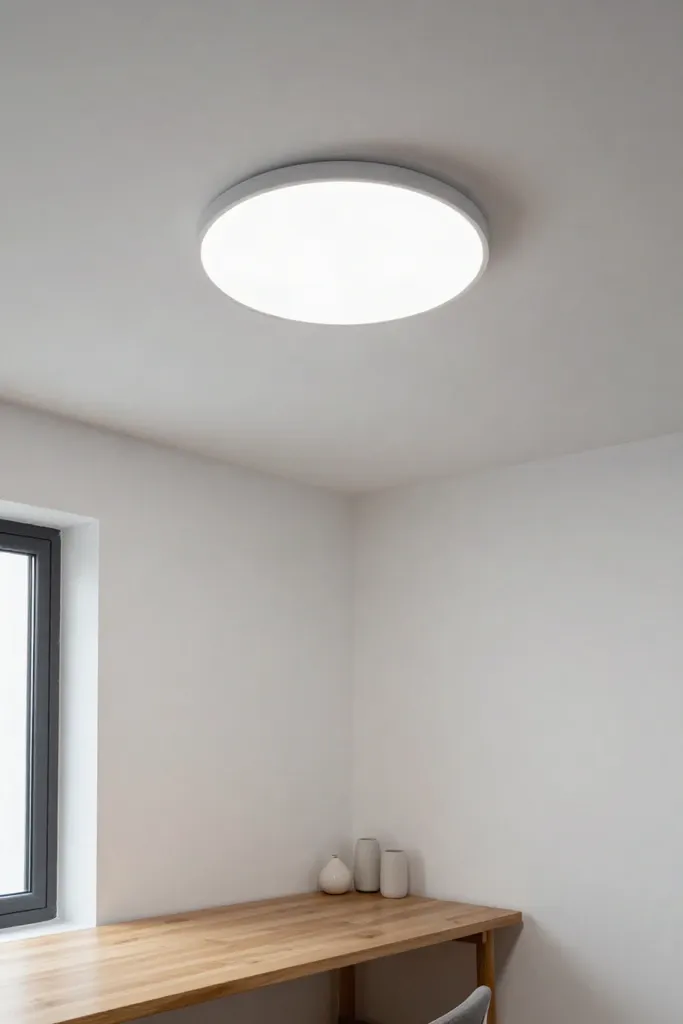
Standard builder-grade glass bowls drop right into the center of the room, creating an overhead hazard every time you make the bed. In a tight space where your bed sits near the center of the room, that dangling bowl creates an awkward hazard every time you pull on a sweater or change the sheets. Heavy frosted glass also traps heat from incandescent or budget LED bulbs against the drywall, creating scorched rings and visual compression that makes the entire room feel like a basement storage closet.
A slim, surface-mount LED disc that sits flush against the junction box offers a simple fix. A modern fixture under an inch thick opens overhead clearance and casts even, glare-free light across your workspace. Look for a twist-and-lock ceiling disc with integrated LEDs: it stays cool against the ceiling paint, protects your headroom, and packs away neatly into your moving bin at the end of the term.
Heavy Opaque Curtains Choking Natural Daylight Penetration
Dark velvet drapes or thick polyester blackout curtains might feel cozy in a showroom, but they suffocate a compact rental. When bulky fabric bunches several inches past the sill, it pools dust, swallows incoming lumens, and turns your study corner into a dim cave. Bulky drapes also bunch against baseboard heaters and bed frames, visually shrinking the window opening until daytime study sessions require artificial desk lamps just to read notes.
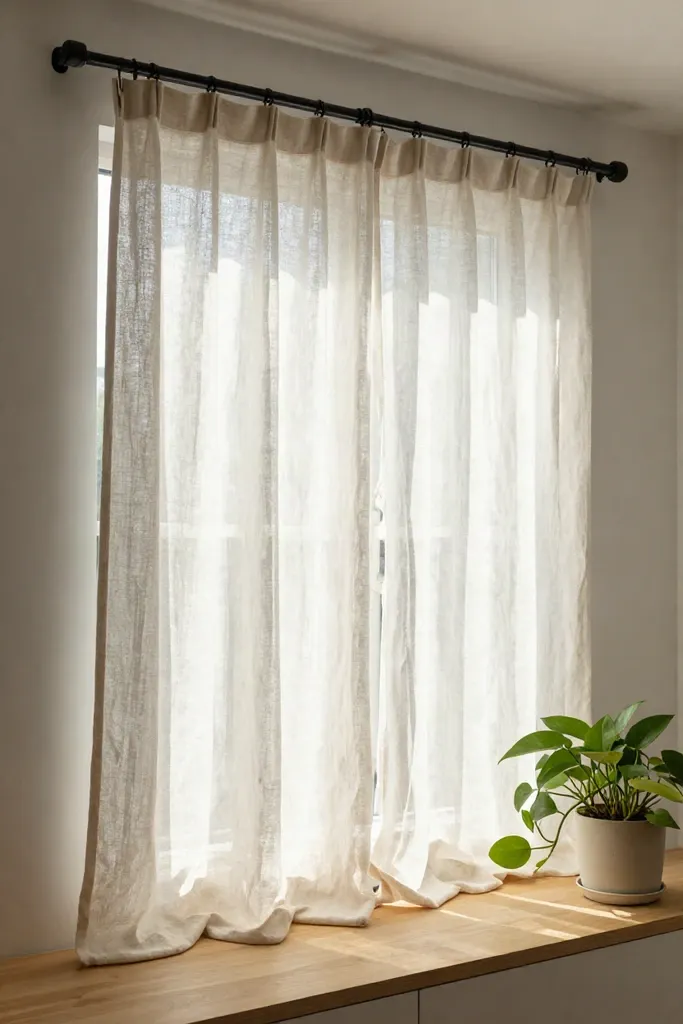
Instead of heavy drapes, switch to unlined sheer linen panels hung on a spring-loaded tension rod. This lightweight setup brings in natural light while softening bare window trim:
- Mount the tension rod a few inches above the window frame to make the ceiling feel taller without putting holes in the drywall.
- Select breathable cotton or linen panels in soft off-white to diffuse incoming sunlight and preserve privacy.
- Keep hems resting right at the sill so the fabric clears baseboard heaters and stays off dusty floorboards.
Monolithic Desks That Trap Circulation Pathways
Standard 30-inch commercial office desks belong in corporate suites, not student rentals. When you squeeze an oversized desktop into a narrow room, it chokes the main transit aisle well below the comfortable 28-inch walking corridor. You end up bumping your knees against laminate corners every time you roll out of bed, and the chair stays permanently wedged into the pathway. Heavy particle-board pedestals also stress joint fasteners when dragged across uneven apartment floorboards.
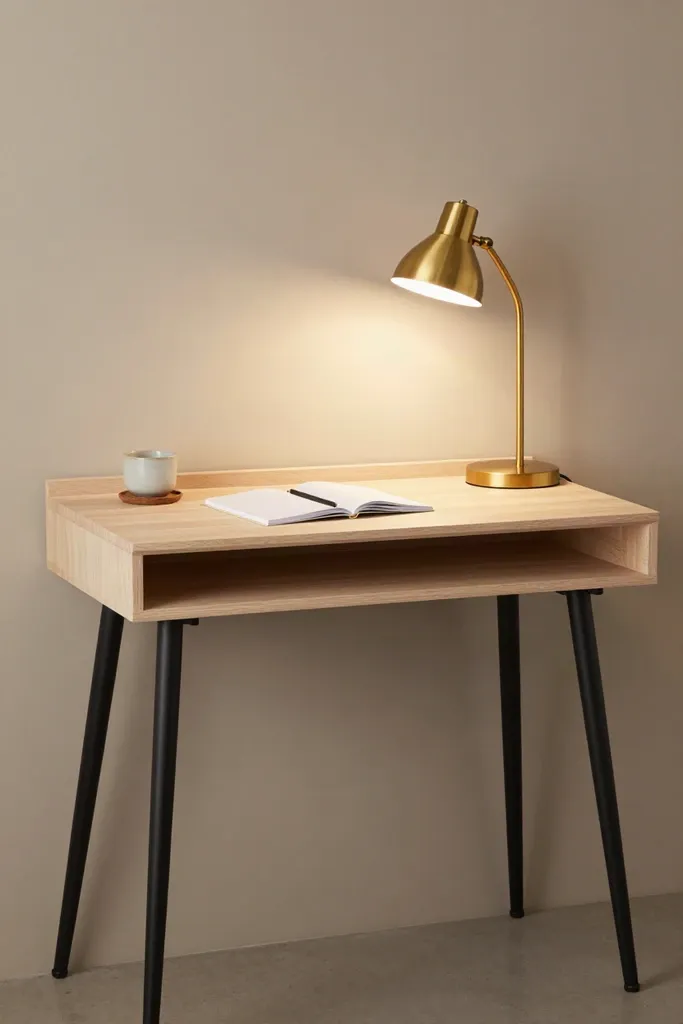
A streamlined desk under twenty inches deep paired with open metal legs solves this bottleneck completely. Placing a slim writing table against the wall leaves plenty of room for your desk chair to tuck fully under the work surface when not in use.
Stylist Rule: Keep work surfaces under twenty inches deep in compact rooms to protect walkway flow and prevent clutter accumulation.
This compact setup keeps your study nook ergonomic, easy to navigate, and simple to disassemble at move-out.
Vertical Clearance Errors and Rental-Safe Wall Storage Pitfalls
When square footage is scarce, going vertical feels like the obvious answer, yet aggressive wall storage can wipe out your security deposit before midterms. Drilling brackets into aging rental drywall without finding studs leads to dangerous fastener tear-out, while hanging heavy mirrors on standard picture wire risks sudden surface shear. Most apartment wall hanging guidelines strictly limit hole diameters, meaning cracked plaster or torn drywall paper will quickly trigger steep repair deductions from property managers.
Before mounting any shelves or hanging organizers, follow this practical checklist to establish renter-safe vertical storage without risking structural damage:
- Check wall composition with a magnetic finder to locate metal framing screws or wooden studs before loading any weight.
- Distribute book and electronics weight across freestanding shelving or tension poles rather than cantilevered floating shelves.
- Stick to lightweight canvas or frameless prints when decorating to stay well beneath drywall weight thresholds.
Heavy-Duty Screws Risking Security Deposit Drywall Tear-Out
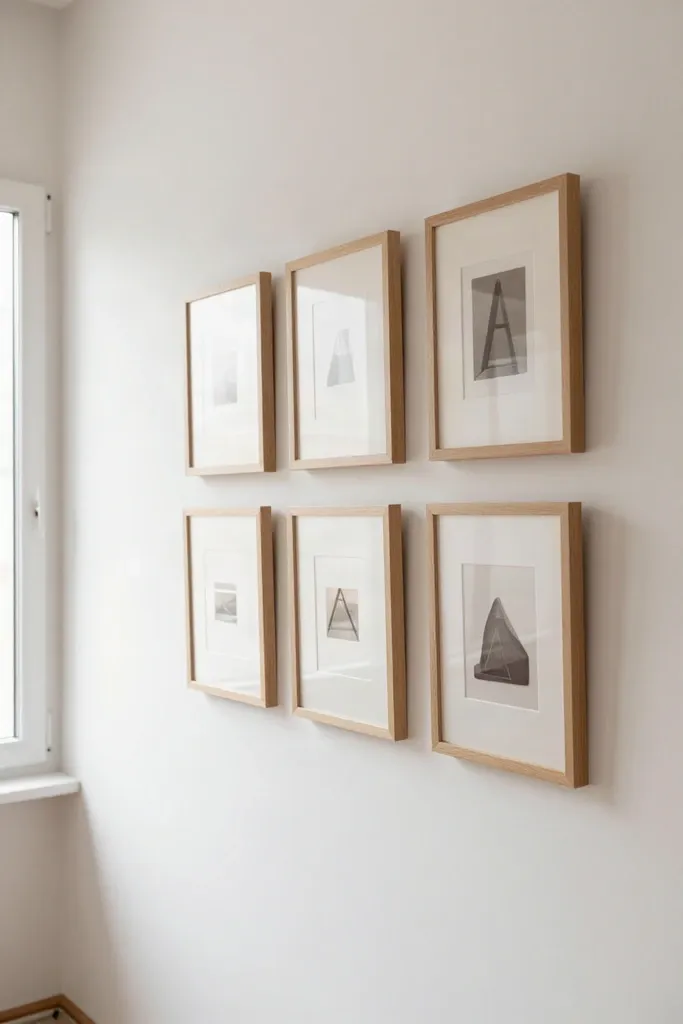
Threaded metal fasteners and plastic expansion plugs might feel secure initially, but backing them out at move-out wrecks hollow half-inch drywall. As the steel sleeve pulls through fragile gypsum cores, it rips out jagged craters that landlords routinely charge against your deposit. For reliable apartment wall mounting, you need hardware that supports real weight without tearing the underlying plaster.
- Slender brass pins penetrate the wallboard at a downward forty-five-degree angle to support up to twenty pounds.
- Pinhole punctures close easily with a dab of spackle rather than requiring full drywall patching.
- Dual-prong brackets distribute shear force across the surface to stop framed prints from tilting loose.
Angled brass picture hooks provide reliable hanging strength for framed art, mirrors, and grid boards. In practice, I find that keeping individual frame loads under fifteen pounds prevents any sagging or surface drag marks on chalky builder-grade paint.
Rigid Wall Shelving Placed Without Stud Clearance
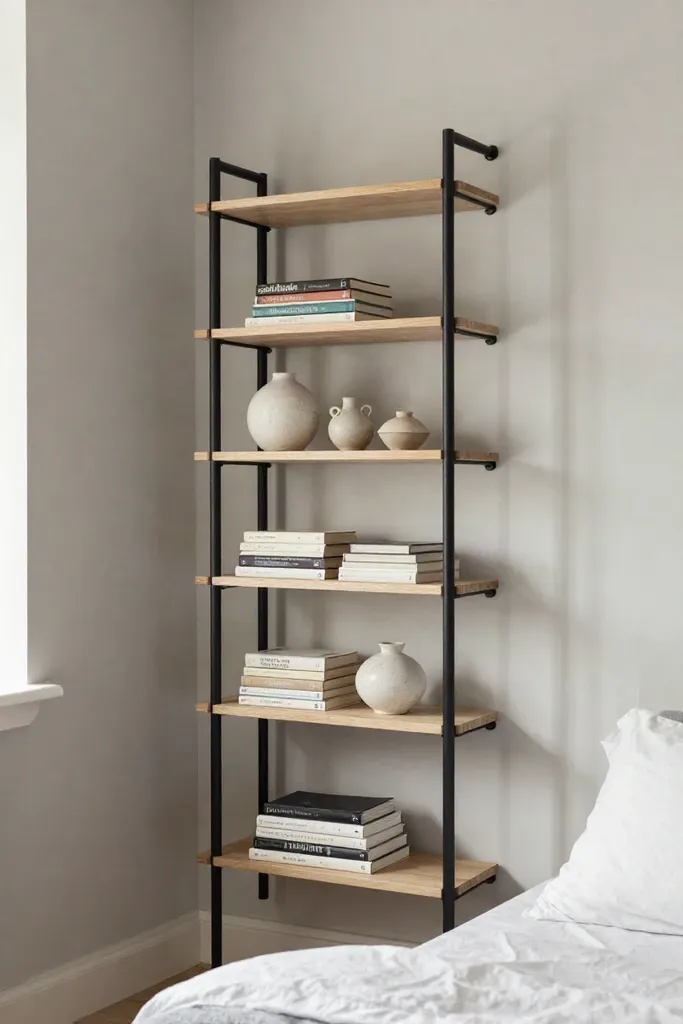
Floating timber shelves look sharp in catalog photos, but hanging loaded book boards onto hollow plaster invites sudden collapse. Hardcover textbooks, ceramic mugs, and desk accessories exert continuous downward leverage, causing plastic wall plugs to tilt and pull away from powdery sheetrock within weeks.
Stylist Rule: Never trust drywall anchors for book loads over ten pounds; let vertical compression between structural floor joists and ceiling plates carry the bulk of your storage weight.
A modular tension pole shelving unit solves this dilemma by spanning vertically from floor to ceiling on rubber-padded feet. Because the upright posts lock firmly under spring compression, this freestanding system holds dense course binders and gear across slim twelve-inch deep tiers without driving a single screw into perimeter walls. These adjustable vertical shelves let you take advantage of awkward alcoves or narrow bed clearances while safeguarding your security deposit on move-out day.
Overloaded Adhesive Strips Causing Surface Paint Shear
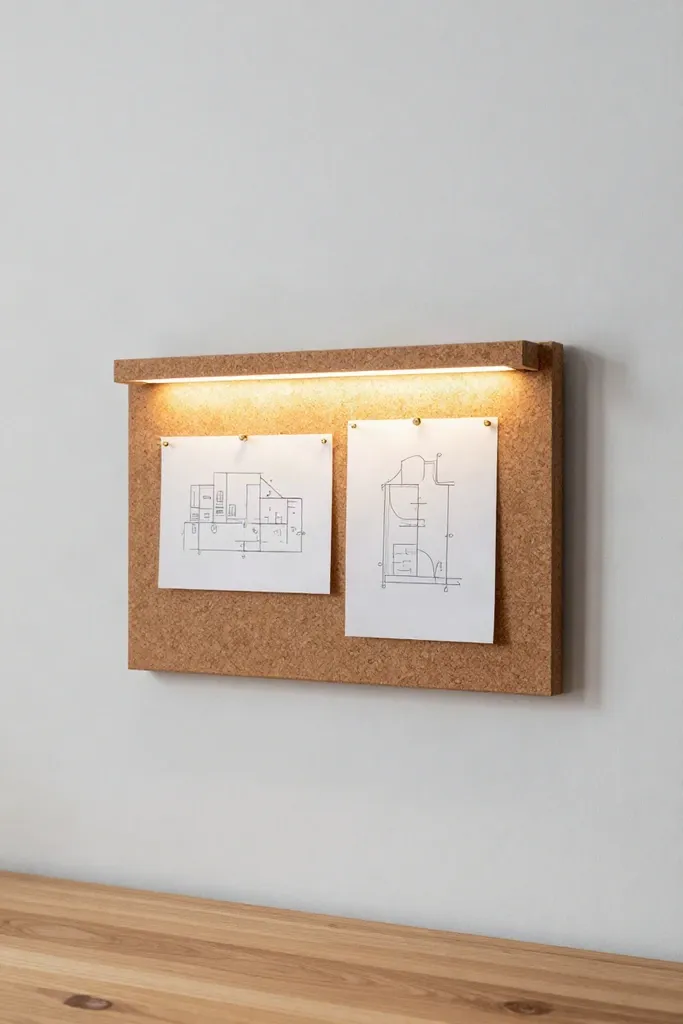
Standard foam mounting strips seem foolproof for dorm rooms, yet pushing them past their four-pound rating on flat contractor-grade latex paint guarantees torn drywall skin. When you overload hooks with heavy backpacks or solid framed boards, the adhesive shears away the top paint layer, leaving visible raw plaster patches that landlords charge to repaint.
A quick prep sequence ensures lasting hold without peeling paint:
- Wipe the drywall surface with seventy percent isopropyl alcohol to remove dust and oils before applying any adhesive.
- Press each tab firmly against the surface for thirty seconds to establish an even bond.
- Mount lightweight frameless cork tiles weighing under eight ounces rather than bulky framed boards.
This careful preparation prevents adhesive failure across seasonal temperature swings and dry winter heating cycles. Lightweight cork tiles give you plenty of space for class schedules, reference notes, and reminders without stressing fragile apartment paint.
Unventilated Closets Creating Moisture Trapping Hazards
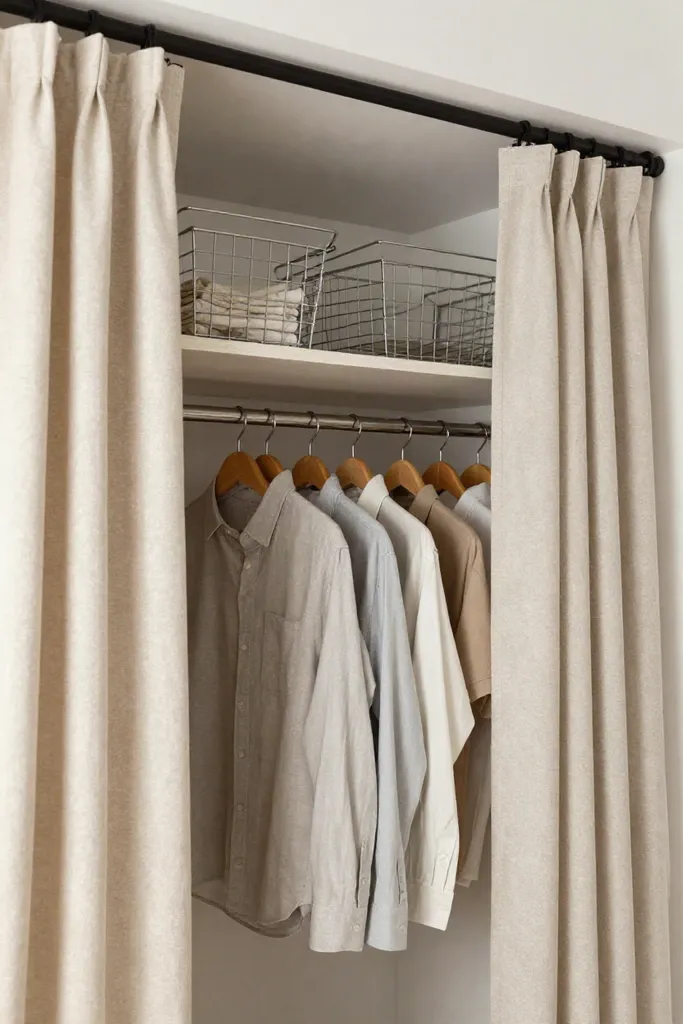
Closing tight wardrobe alcoves behind solid bi-fold doors traps stale, humid air around damp coats and laundry hampers. Wet rain shells, damp laundry hampers, and gym gear release lingering humidity into unventilated dark corners, creating sour fabric odors and encouraging mildew growth on wool coats and canvas sneakers. When humid indoor air meets cold perimeter closet walls, condensation settles along the baseboards, quietly ruining shoe boxes and expensive garments.
Replacing rigid bi-fold panels with a breathable linen curtain allows air to circulate freely through the closet. Suspending an unlined linen panel on an adjustable tension rod maintains steady ventilation across your clothes while softening the look of the room. This quick swap prevents stale wardrobe odors and turns a dark recess into a functional open storage niche that keeps everyday clothes fresh.
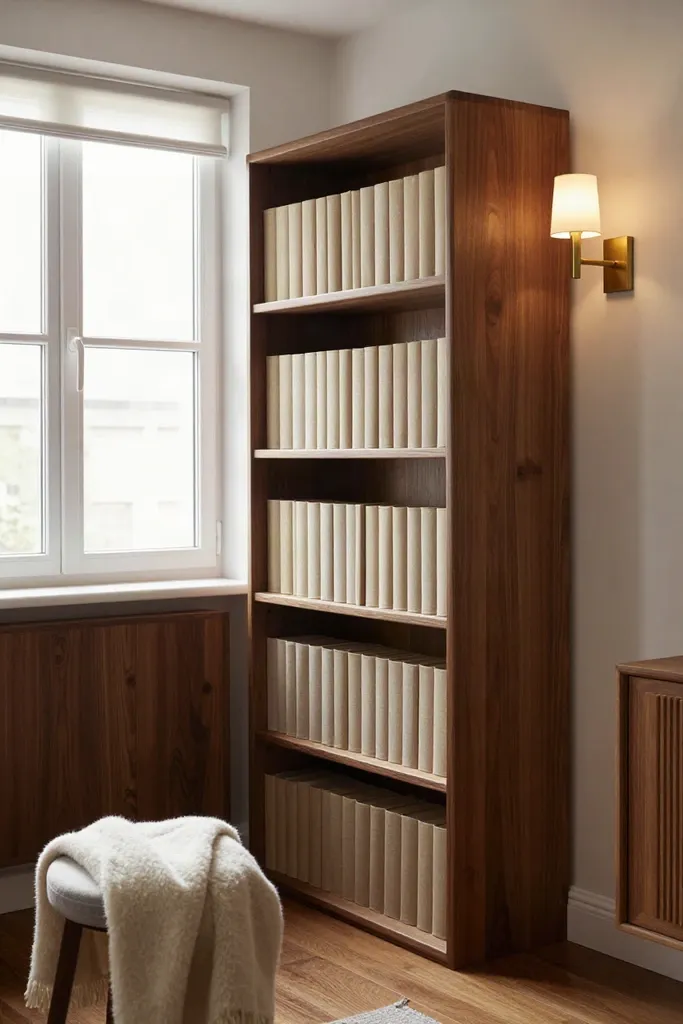
Tall Bookcases Tipping Due to Inadequate Tension Anchoring
Placing narrow composite shelving over soft apartment carpet leaves tall units wobbly, especially once heavy textbooks shift the weight forward. Thick carpet padding compresses unevenly under narrow upright frames, causing joints to rack and wobble without warning. In rental bedrooms where drilling mounting brackets into drywall means sacrificing your security deposit, going tall with cheap flat-pack bookcases creates unnecessary risk.
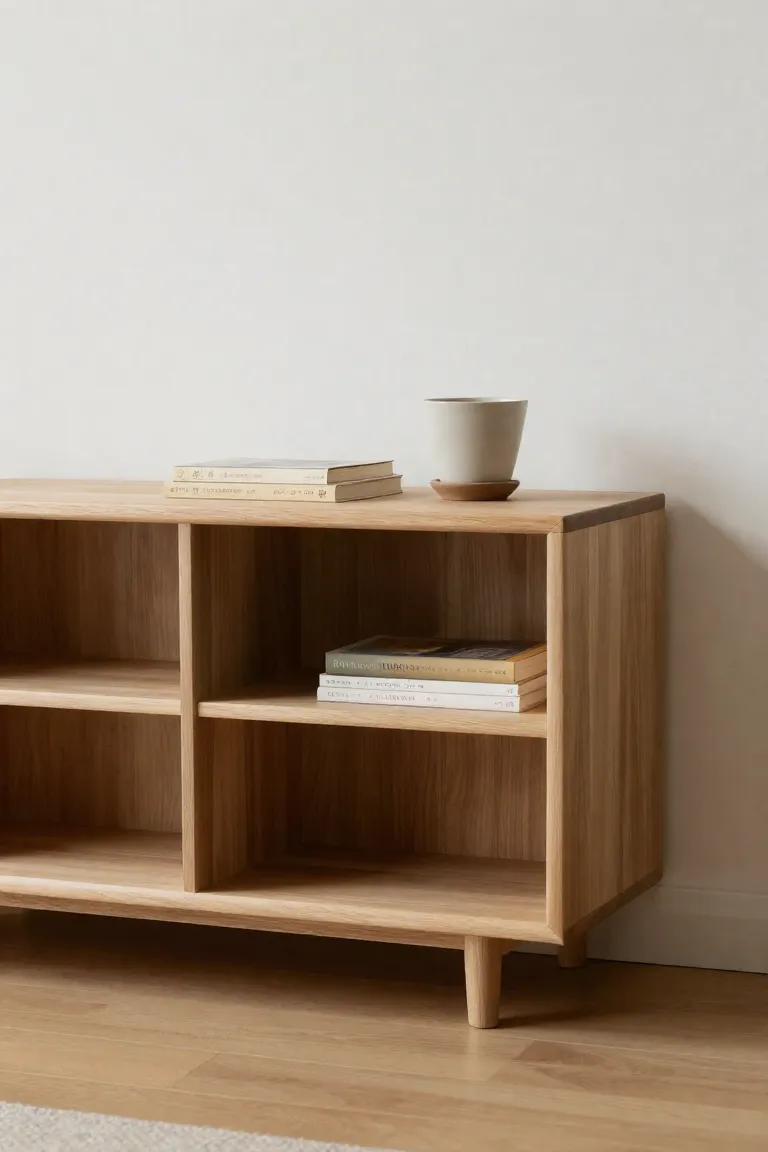
A safer alternative is switching to a low modular cube organizer that sits comfortably below waist height. Spreading heavy course readers horizontally keeps weight evenly distributed across wide floor contact points, preventing top-heavy lean. If you already own a low storage bank, slipping non-slip silicone leveling wedges underneath the front feet tilts the frame back slightly toward the wall. This simple adjustment stabilizes furniture loads up to 150 pounds while keeping landlord paint completely intact.
Illumination Traps and Electrical Cable Snarls in Cramped Spaces
Tight rental bedrooms frequently suffer from neglected outlets, leaving adapters fighting for socket space while chargers trail across the walking path. When desk lamps, laptop chargers, and monitors compete for two outdated wall receptacles, cord clutter quickly turns into an unsightly tripping hazard along narrow walking paths. Poorly placed lighting sources also bounce directly off computer displays, creating intense reflections that strain tired eyes during late-night study sessions.
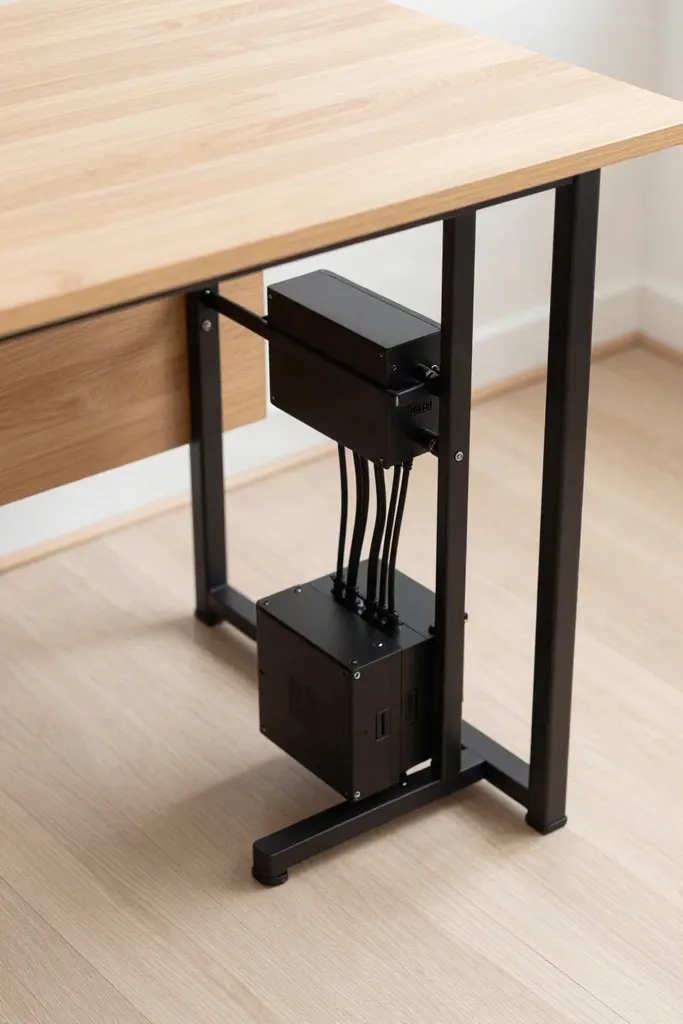
A reliable lighting layout begins with separating your task zones from power distribution. Instead of running cords across open carpet, route all work cables directly into dedicated under-desk cable management trays mounted below the desktop. Pairing clean wire runs with balanced bedroom lighting restores visual order and keeps your study zone calm, safe, and functional.
Single Overhead Bulbs Creating Harsh Glare and Shadow Washout
Relying solely on a high-output 5000K daylight bulb in a central ceiling fixture creates a sterile, hospital-like atmosphere that flattens your bedroom's physical dimensions. Cold, stark downward light washes away warm wall tones, casts unflattering shadows beneath eye level, and triggers severe eye strain during evening reading. In compact off-campus quarters, one overpowered central light source simply fails to create an inviting, restful environment.
A balanced layout uses warm 2700K layered lighting dispersed across three distinct points:
- A compact desk lamp positioned at shoulder height to provide focused illumination for coursework without screen glare.
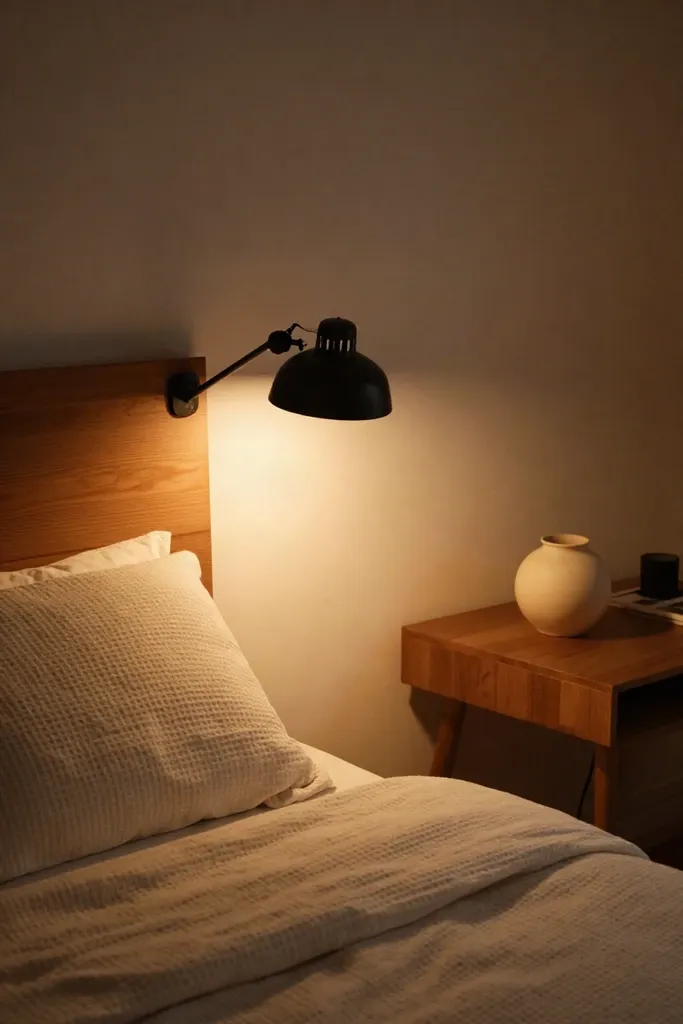
- A small clip-on reading light attached to the bed frame to supply focused nighttime reading light without claiming bedside table space.
- A compact accent lamp with a fabric shade placed across the room to cast a warm glow that makes small rooms feel open and relaxed.
Daisy-Chaining Extension Cords Creating Hidden Fire Hazards
Stringing multiple lightweight extension cords together to power mini fridges, laptops, and phone chargers is one of the most dangerous shortcuts in student rentals. Hiding thin 16-gauge cords underneath an area rug traps heat from electrical resistance, which degrades the plastic insulation over time and creates a hidden fire risk right beneath your feet. Pinched wiring beneath furniture legs remains a frequent and avoidable fire hazard in student rentals.
A single surge-protected power strip built with heavy 14-gauge wiring and an integrated 15-amp circuit breaker provides a dependable solution. Mount this unit securely inside an under-desk cable tray to lift all plugs off dusty floors and away from baseboard heaters. Housing multiple adapters inside an open, ventilated wire basket keeps high-draw electronics running cool while maintaining an organized, tangle-free workstation throughout the semester.
Bulky Floor Lamps Tripping Narrow Walking Corridors
A wide three-legged base standing squarely in the passage between your mattress and study station turns every midnight stumble into a stubbed toe. Standard standing fixtures eat up valuable floor clearance in tight rental layouts, tipping easily whenever your backpack brushes past the spindly legs. Sacrificing open floor area for ambient illumination simply makes a tight dorm room feel claustrophobic.
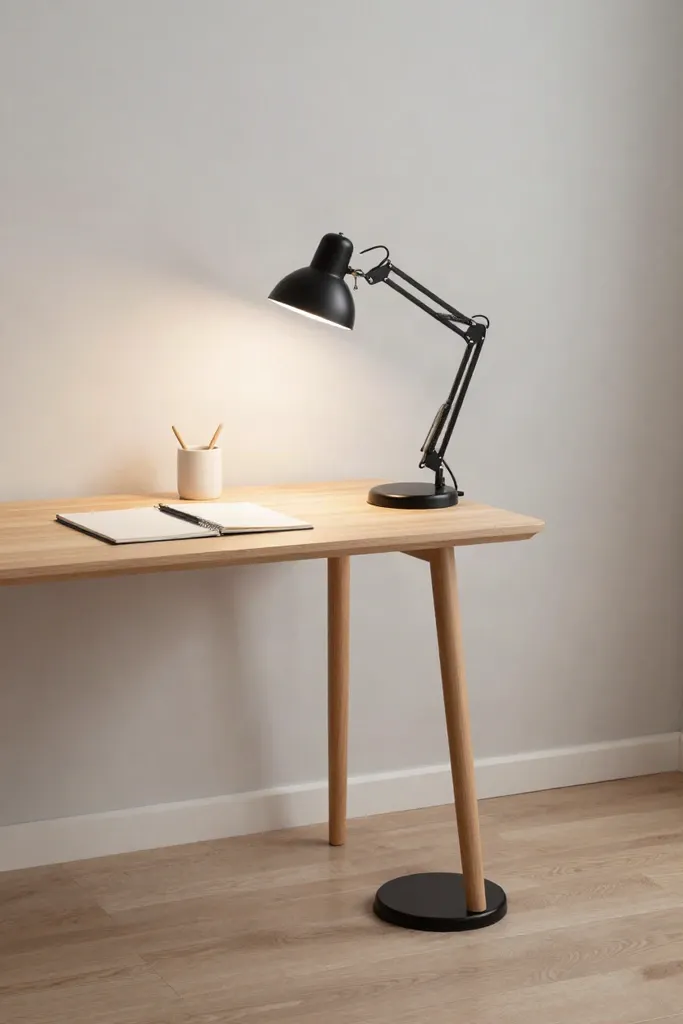
A slim clamp desk lamp with a flexible gooseneck attached directly to your tabletop rim immediately clears walking lanes. Trading bulky floor fixtures for compact clamp lights frees up prime floor area while directing illumination right across your desk. This minimalist fixture clips securely along a shelf ledge or headboard corner without wobbling, keeping walkways open for easy movement throughout the semester.
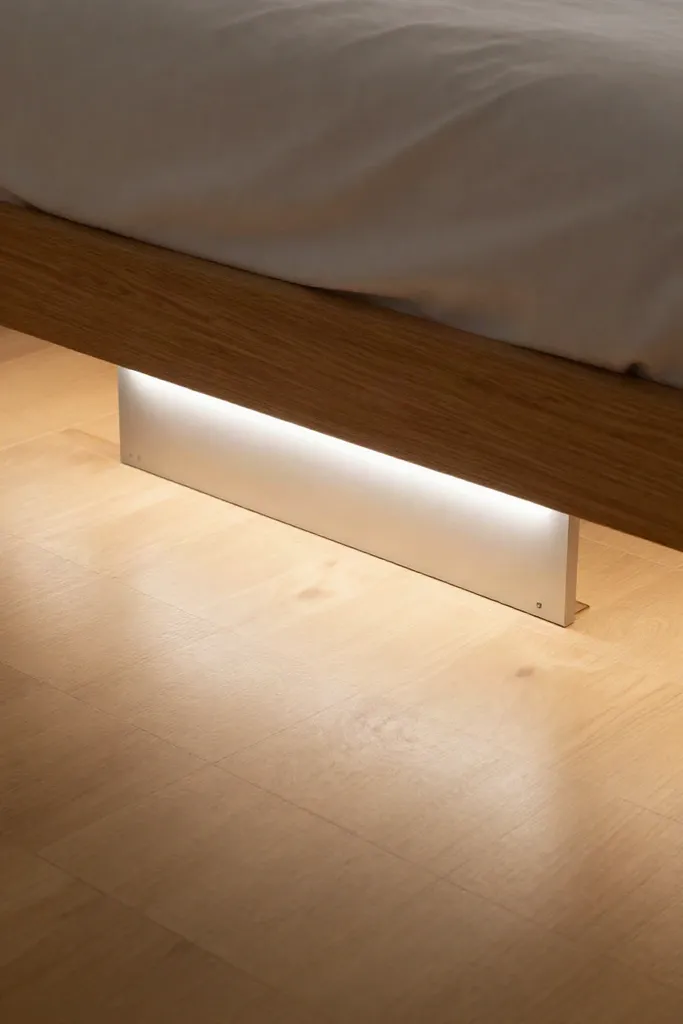
Exposed Strip Lights Emitting Distracting Point-Source Glare
Adhering bare LED ribbons directly to painted baseboards casts harsh reflections while warming the factory glue against the wall. As continuous current warms unshielded tape, the heated adhesive softens, slips loose, and peels away primer when move-out day arrives.
- Mount raw strip lights inside an angled, diffused aluminum channel to soften harsh diode dots.
- Snap on a frosted cover lens to blend pinpoint reflections into an even, indirect accent glow along the baseboard.
- Fasten the channel along the wall with removable mounting putty for clean installation that leaves paint untouched.
Misaligned Task Lighting Casting Dark Shadows on Desktops
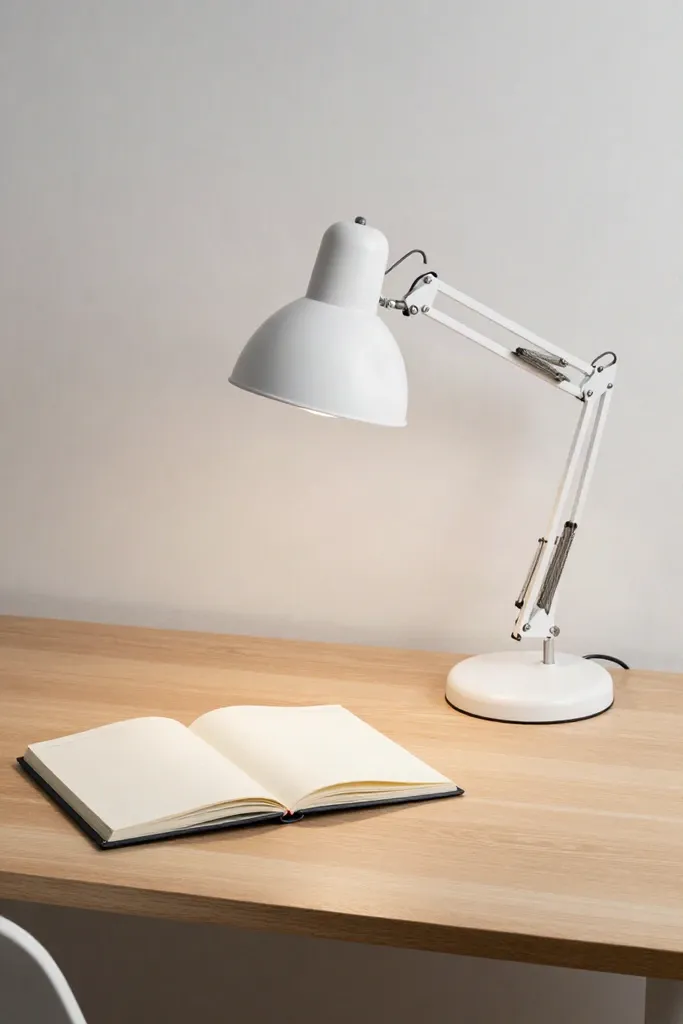
Positioning a desk lamp directly behind your computer chair casts your own shoulders into a dark silhouette across active notebooks. When overhead illumination comes from the rear, your hands block the beam path and force your eyes to squint against high screen contrast during late-night revision sessions.
Stylist Rule: Position a linear desk bar angled 45 degrees opposite your dominant hand to keep writing clear of heavy cast shadows.
A linear task bar positioned directly across from your writing hand washes the keyboard in steady, balanced light. A wide desk lamp bar with a frosted lens cuts glossy screen reflections, delivering clean illumination that keeps textbook text sharp without straining your eyes through long study sessions.
Multi-Functional Storage Failures and Textile Scale Blunders
Heavy floor organizers and dense winter throws often choke an otherwise workable floor plan. Mismatched storage containers swallow usable space without holding seasonal wear, while oversized bedding spills across narrow walkways to collect dust bunnies.
| Storage Element | Common Misstep | Functional Correction |
|---|---|---|
| Under-bed bins | Rigid plastic boxes that jam frame legs | Low-profile fabric zippered totes |
| Bedding textiles | Thick down comforters touching the floor | Lightweight waffle quilts tucked neatly |
| Corner bins | Bulky wicker hampers eating walking paths | Slim hanging canvas laundry sacks |
Cohesive storage containers keep the floor plan balanced and easy to navigate. By shifting your bedding toward breathable, compact fabrics, you establish functional small room organization that preserves open pathways without sacrificing everyday living comfort throughout the school year.
Incompressible Hard Bins Wasting Under-Bed Cubic Volume
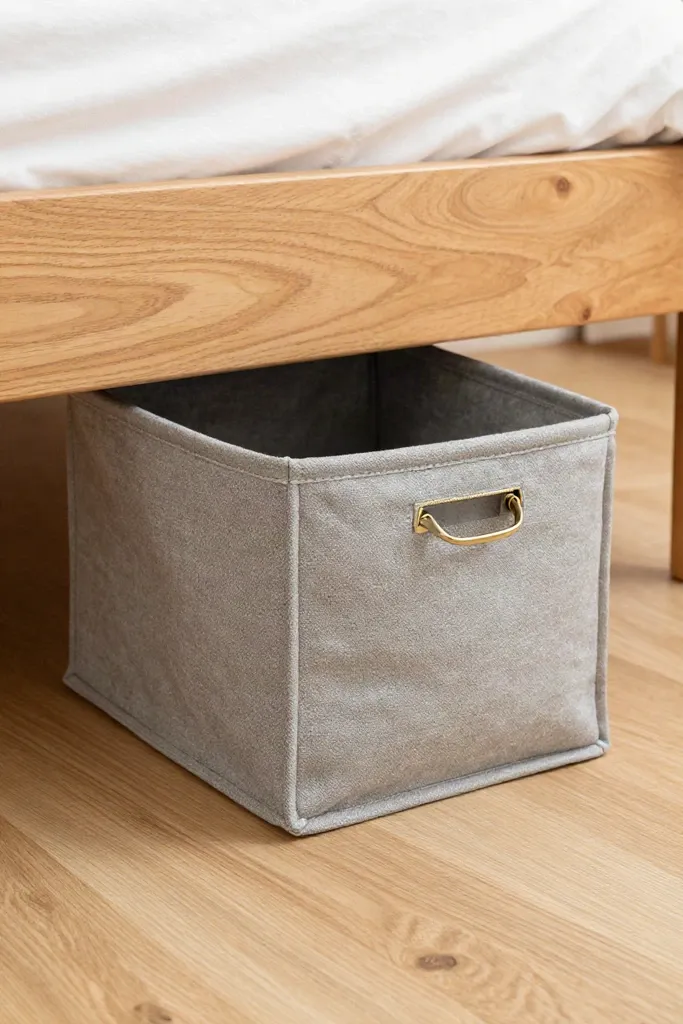
Shoving bulky molded plastic totes into a tight under-bed cavity often creates more friction than storage. When a container exceeds your frame clearance even slightly, it wedges awkwardly against the base slats, scrapes polyurethane floor sealants, and leaves unusable dead zones along the perimeter. Rigid corners cannot flex around bed risers or uneven floorboards, cutting down your total usable cubic volume.
Flexible fabric storage bags allow you to reclaim every inch of under-bed depth without marring rental floors. Breathable fabric cases slide easily over hardwood, compress neatly to clear lower crossbars, and seal tight against dust buildup throughout the semester. Modular zippered bags ensure extra blankets and seasonal coats stay accessible without scratching floorboards or jamming against bed supports.
Floor-Length Bed Skirts Choking Compact Walking Clearance
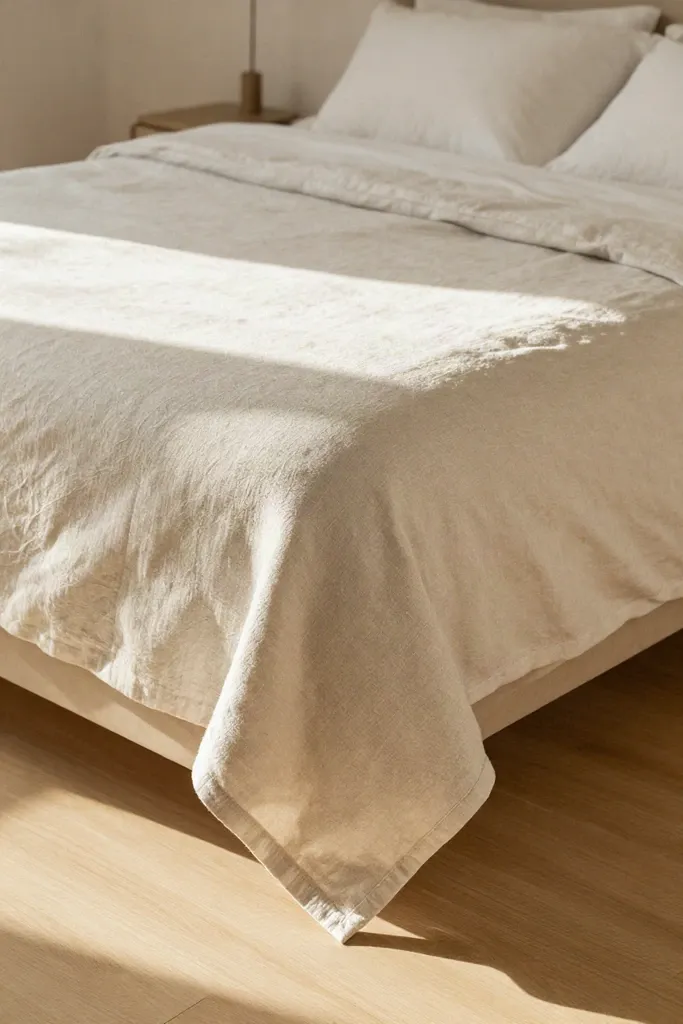
Traditional ruffled valances that puddle onto floorboards quickly become magnets for lint and shoe scuffs in close quarters. Excess draping hems bunch under sliding containers, snagging zippers and visually cutting the room into heavy horizontal blocks. In compact setups, continuous fabric puddling traps dust bunnies right where you step each morning.
A crisp, tailored linen bed skirt hovering just above the floor trim offers a far cleaner alternative, maintaining dust protection while preserving easy under-bed access. Alternatively, leaving bed frame legs visible keeps floor space open, making the entire room feel larger. Choosing clean, minimal bedding keeps high-traffic walkways tidy, breathable, and simple to sweep during busy exam weeks.
Heavy Padded Headboards Stealing Vital Room Depth
Thick upholstered panels push the entire mattress several inches away from the wall, cramping the bedside walkway before you even unpack your desk chair. In standard rental layouts, deep foam backs project forward enough to cramp bedside corridors and prevent adjacent closet doors from opening fully. The unnecessary bulk forces your entire mattress footprint forward, stealing essential legroom from already tight passageways.
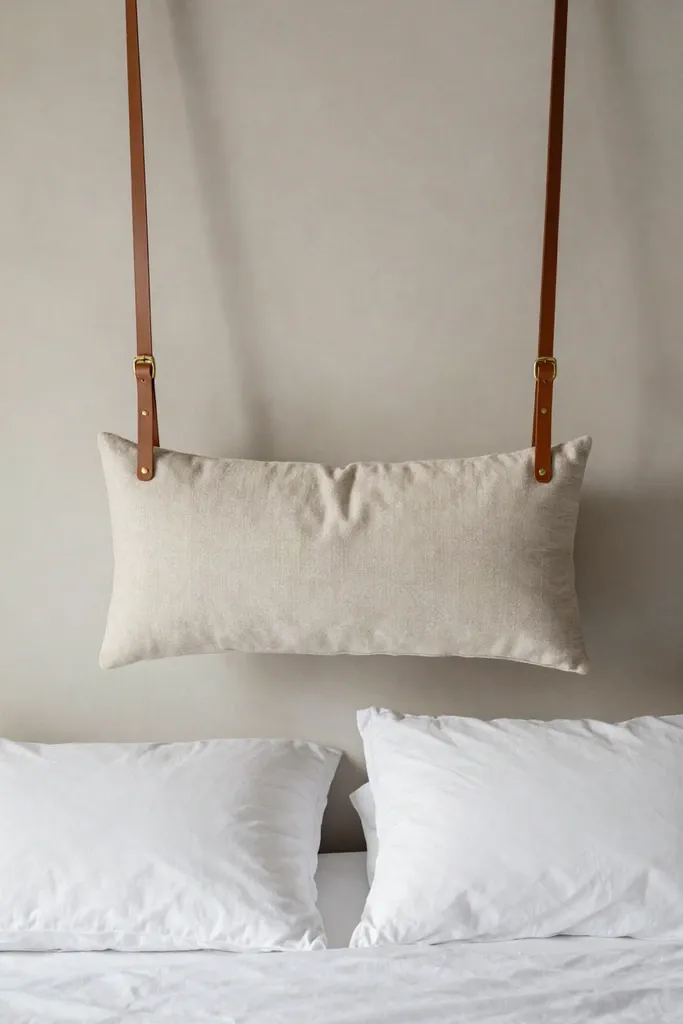
A wall-hung cushion headboard provides comfortable back support while resting nearly flush against the wall. Suspending firm foam cushions from a slim wooden rod or heavy-duty removable hooks provides plush cushioning right behind your pillows. This low-profile alternative keeps evening reading comfortable without sacrificing valuable room depth or risking security deposit deductions at move-out.
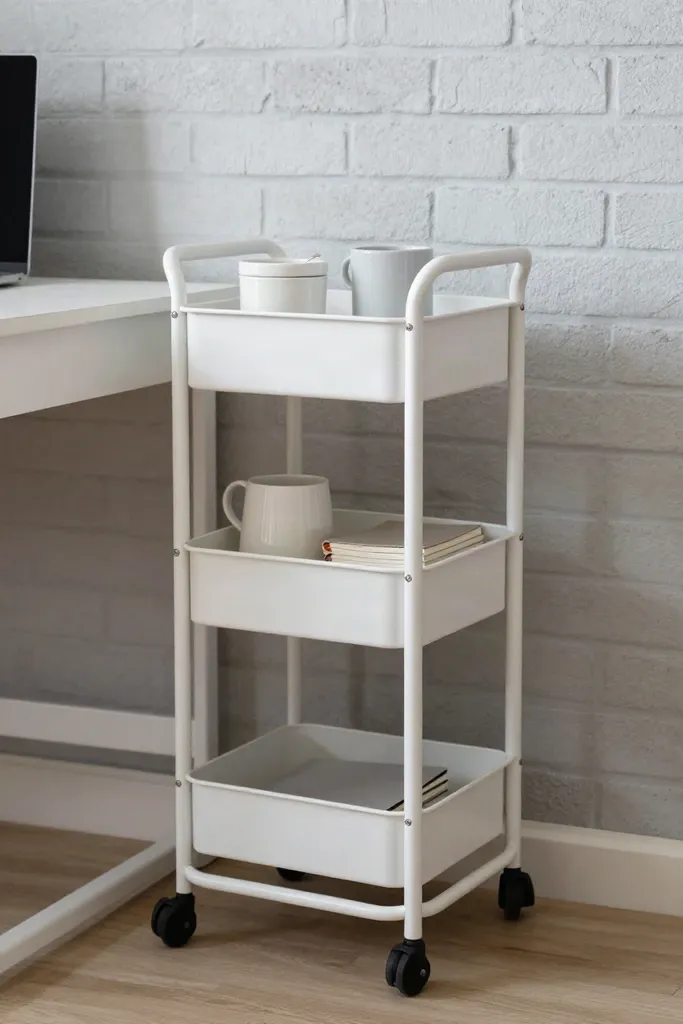
Unanchored Rolling Carts Jamming Against Radiator Clearance
Setting a tiered mobile cart right next to an old cast-iron radiator creates serious thermal hazards in older student apartments. Intense heat cycles soften polypropylene bins, peel laminate shelves, and bake dust into caster bearings until they seize completely. Loose wheels also tend to drift toward heating pipes, creating stubborn bottlenecks along your primary pathway.
Safe furniture placement keeps utility carts well away from active steam radiators. Replacing loose casters with stationary felt pads prevents accidental rolling while protecting rental wood floors.
Stylist Rule: Maintain at least twelve inches of open clearance between heating units and bedside organizers to prevent heat warping.
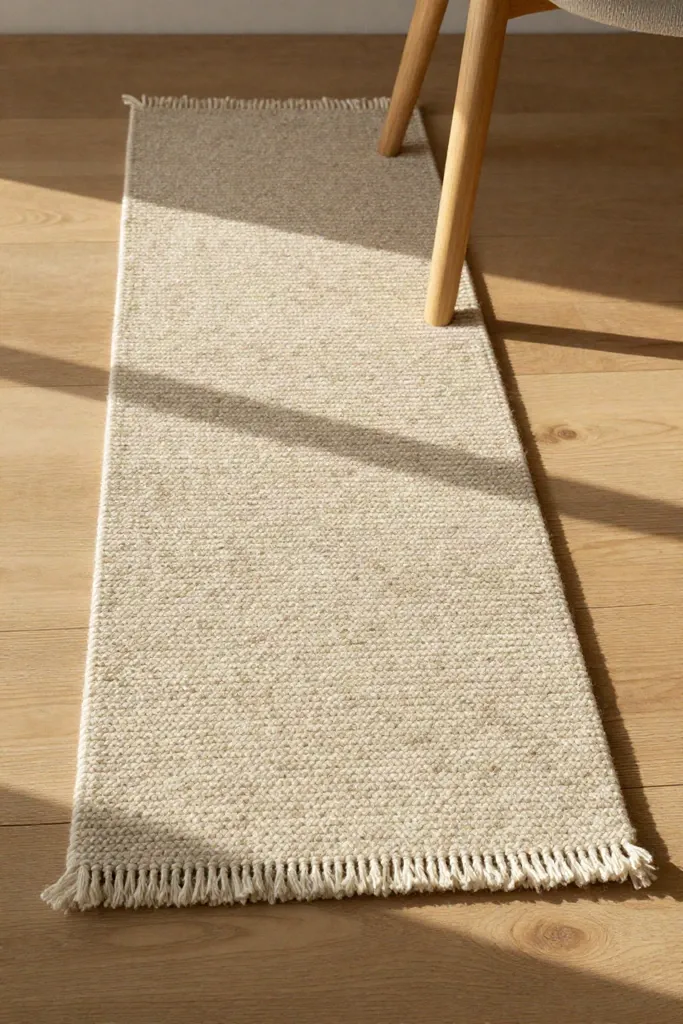
High-Pile Shag Rugs Catching Caster Wheels and Door Swings
Dense, fluffy floor coverings might feel cozy underfoot, but plush two-inch yarns quickly choke standard apartment door thresholds. In tight campus quarters, thick fibers bunch up every time you push your bedroom door open, while standard desk chair wheels sink straight into the weave and grind to a halt.
Instead of deep pile textiles, a flat-weave runner woven from durable wool or natural cotton keeps door swings smooth across tight entryways. Paired with a dense natural rubber grip pad, a low-profile rug stays firmly planted beneath your feet without sliding on polished wood floors. This low-friction surface allows desk chair casters to roll freely while shielding your landlord's flooring from daily wear.
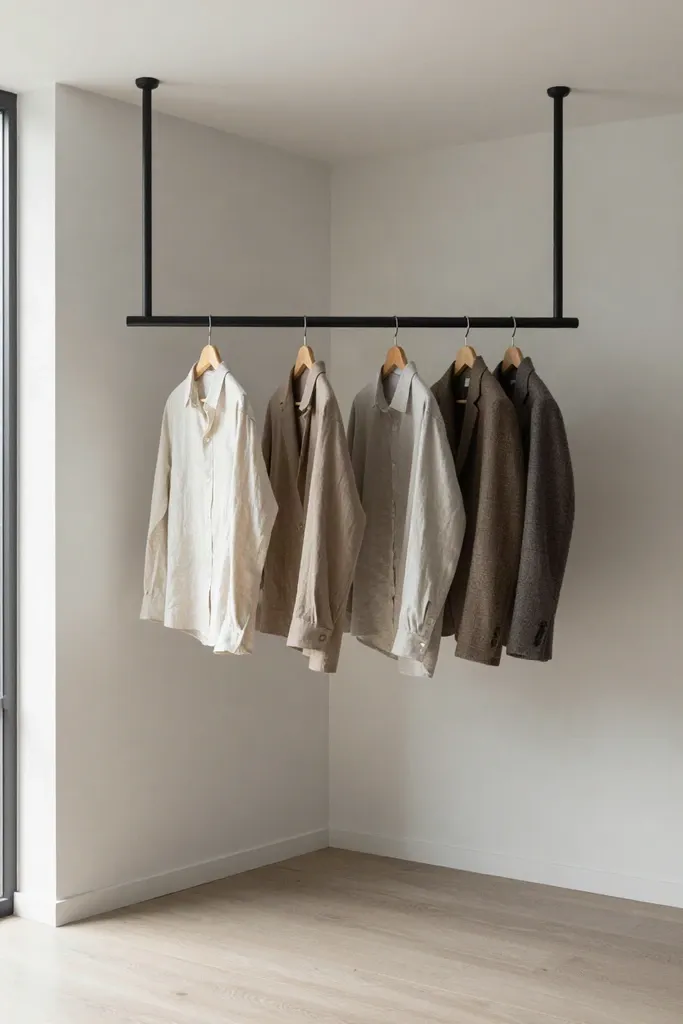
Bulky Open Clothes Racks Causing Sensory Overwhelm and Dust Settling
Rolling four-foot garment frames into a cramped floor plan swallows nearly two feet of perimeter depth before you even hang a single hanger. Besides eating up precious floor area, open clothing storage leaves daily shirts exposed to circulating dust motes and creates a busy visual backdrop right beside your study zone.
A wall-mounted hanging rail attached securely to wall studs supports your essential jackets without resting on the floor. If wall drilling is restricted under your lease, an ultra-slim freestanding garment stand keeps your capsule wardrobe neatly elevated above eye level:
- Select solid steel tubing rated for daily wardrobe use rather than flimsy plastic-jointed racks.
- Keep total garments to fifteen essential pieces to prevent overcrowding and dust buildup on off-season clothing.
- Position the rack at least twelve inches away from adjacent drywall to keep coat shoulders from scuffing wall paint.
Spatial Clearance and Fastener Load Specification Matrix
Fitting study furniture and storage bins into a modest rental footprint requires precise boundary planning rather than guesswork. Relying on an accurate clearance plan ensures you maintain essential spatial boundaries that protect your daily movement and keep original wall surfaces completely intact throughout your lease.
| Zone | Required Tolerance | Practical Purpose |
|---|---|---|
| Main Walking Path | 28 inches clear | Unobstructed circulation between bed and desk |
| Under-Bed Storage | 10 inches vertical | Allows slide-in bins without scraping box springs |
| Adhesive Strips | 15 lbs maximum | Prevents shear failure and ripped plasterboard |
| Radiator Perimeter | 12 inches standoff | Thermal safety buffer preventing furniture scorching |
Reviewing spatial clearance before buying furniture prevents costly returns and cramped walkways. Sticking strictly to tested weight limits on renter-friendly hardware also ensures you will not pull down chunks of drywall when taking down decor on moving day.
Budget Allocation and Deposit-Protection Investment Framework
Setting up your first rental on a student budget does not mean purchasing cheap, disposable flat-pack items that fall apart during your next move. Establishing a practical furniture budget means putting your funds where they matter most: movable, durable essentials that easily pack up and reassemble in future apartments.
A practical spending plan directs roughly forty percent of your budget toward a supportive desk chair and quality task lighting, thirty percent into modular stackable shelving, and thirty percent into flexible storage totes. Following these basic deposit-protection habits keeps your full security deposit safely in your pocket when your lease ends:
- Invest in portable floor-to-ceiling tension poles instead of wall-mounted shelves to avoid spackling drywall holes.
- Choose compressible fabric under-bed organizers rather than rigid plastic bins that crack easily.
- Protect floorboards by affixing thick wool felt pads to every metal chair leg and desk foot.
Curated Spatial Blueprint for High-Function Off-Campus Living
Bringing these layout choices together keeps your lease intact while making the most of every square foot. A reliable rental bedroom setup relies on three practical checkpoints before buying any furniture: clearing walking paths, mounting tension rods, and staggering warm task lighting.
For a functional bedroom setup, treat your perimeter walls as prime vertical territory. Flexible canvas bins and clamp-on fixtures keep desk surfaces clear and rooms organized, all without risking your security deposit.